Posts Tagged ‘News & Events’

Beyond projects: How ReNew2030 turns local experience into greater impact
Beyond projects: How ReNew2030 turns local experience into greater impact

Exploring how learning, collaboration and philanthropy help renewable energy solutions achieve broader impact across different contexts

Renewable energy solutions do not scale simply because promising initiatives exist. They scale when the experience, insights and lessons behind them can inform action beyond a single project, organisation or geography. Yet too often, valuable knowledge remains isolated within specific contexts. ReNew2030 was created to help bridge that gap.

By connecting regional climate foundations with organisations advancing solutions on the ground, ReNew2030 creates opportunities for learning to move across regions. The aim is not just to share examples, but to explore what sits behind them: what makes approaches work, what challenges had to be overcome, and what aspects may be relevant elsewhere.

In doing so, local experience becomes a resource that can inform stronger strategies, more effective investments and greater impact across the coalition.

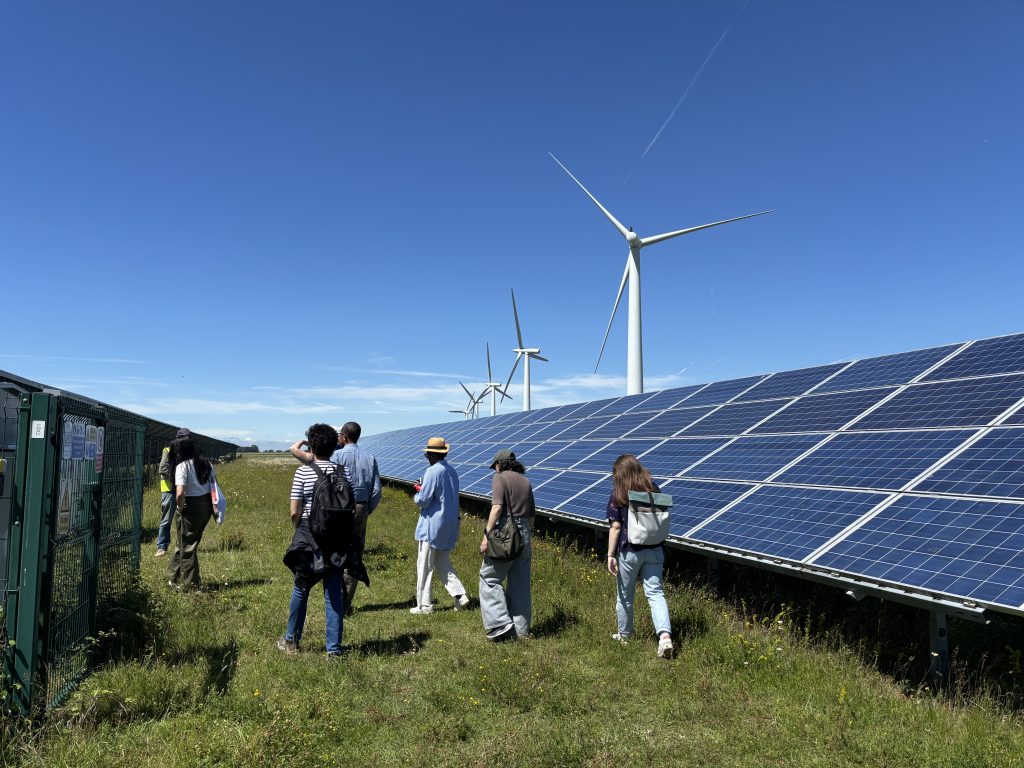
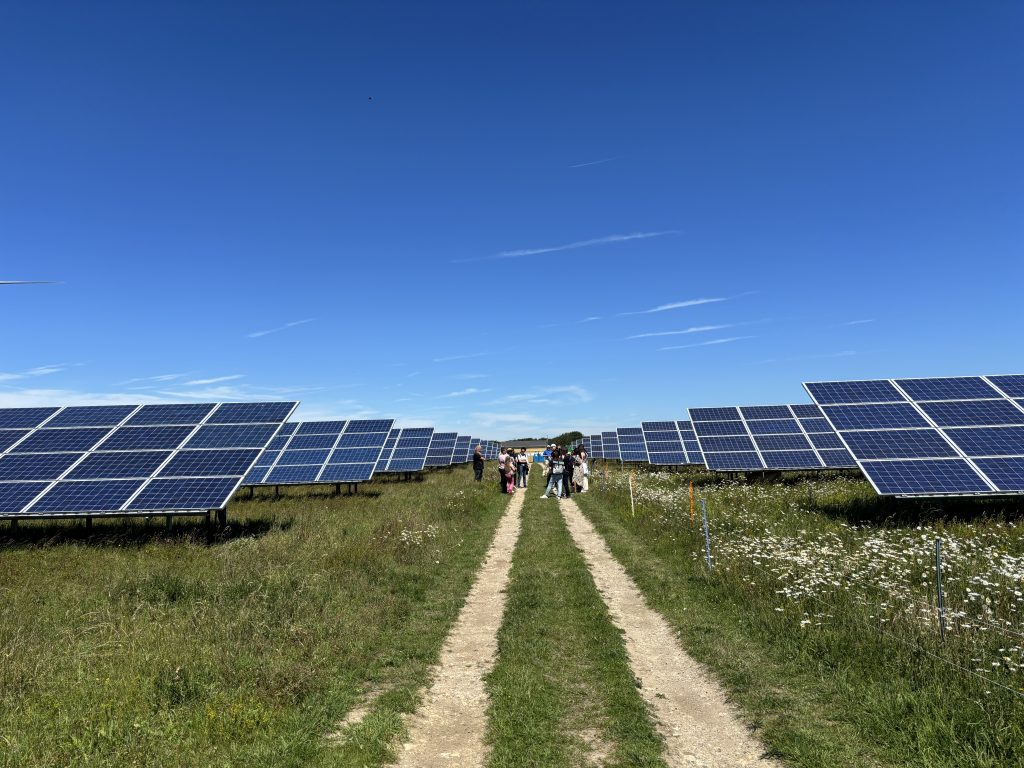
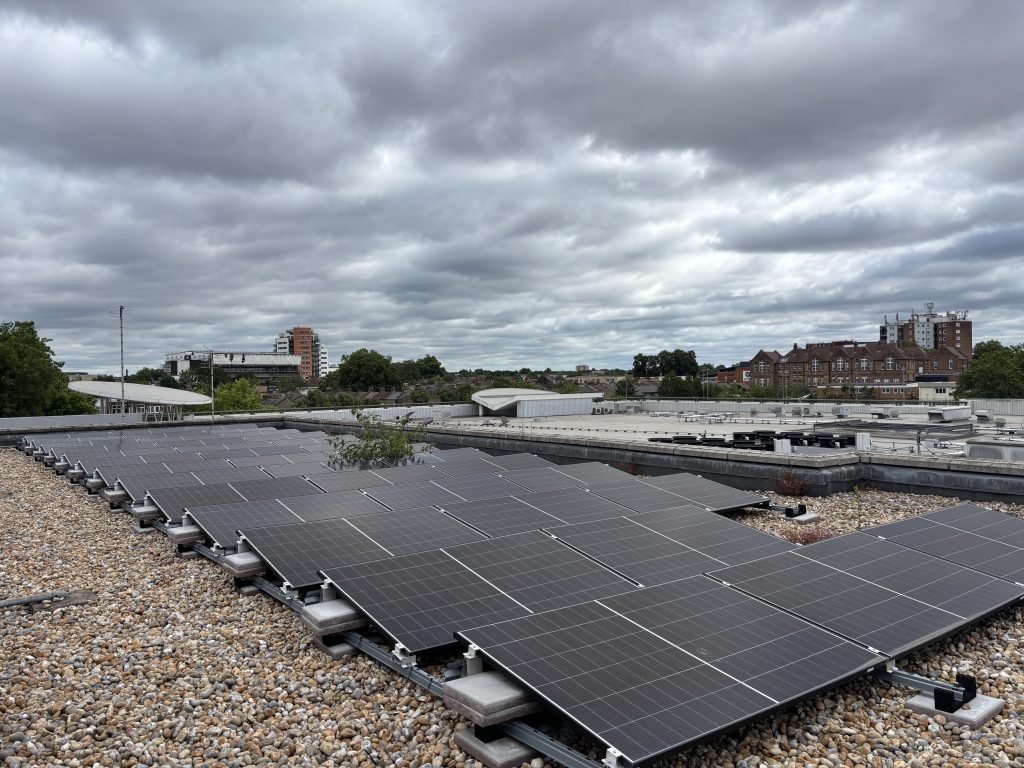
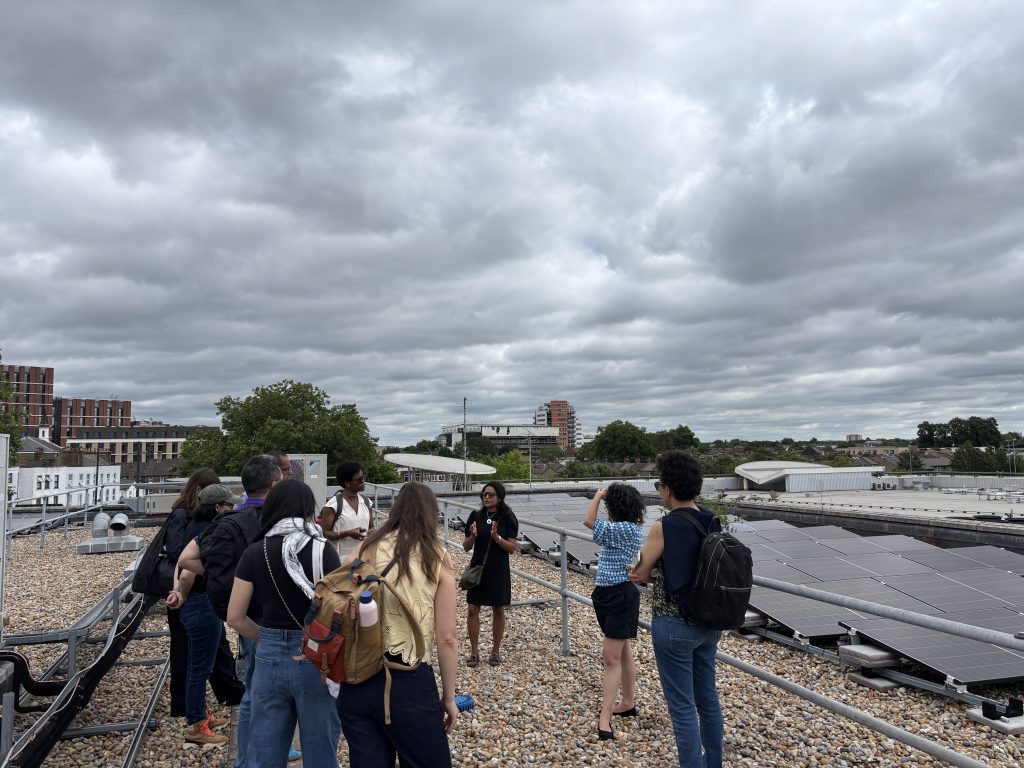
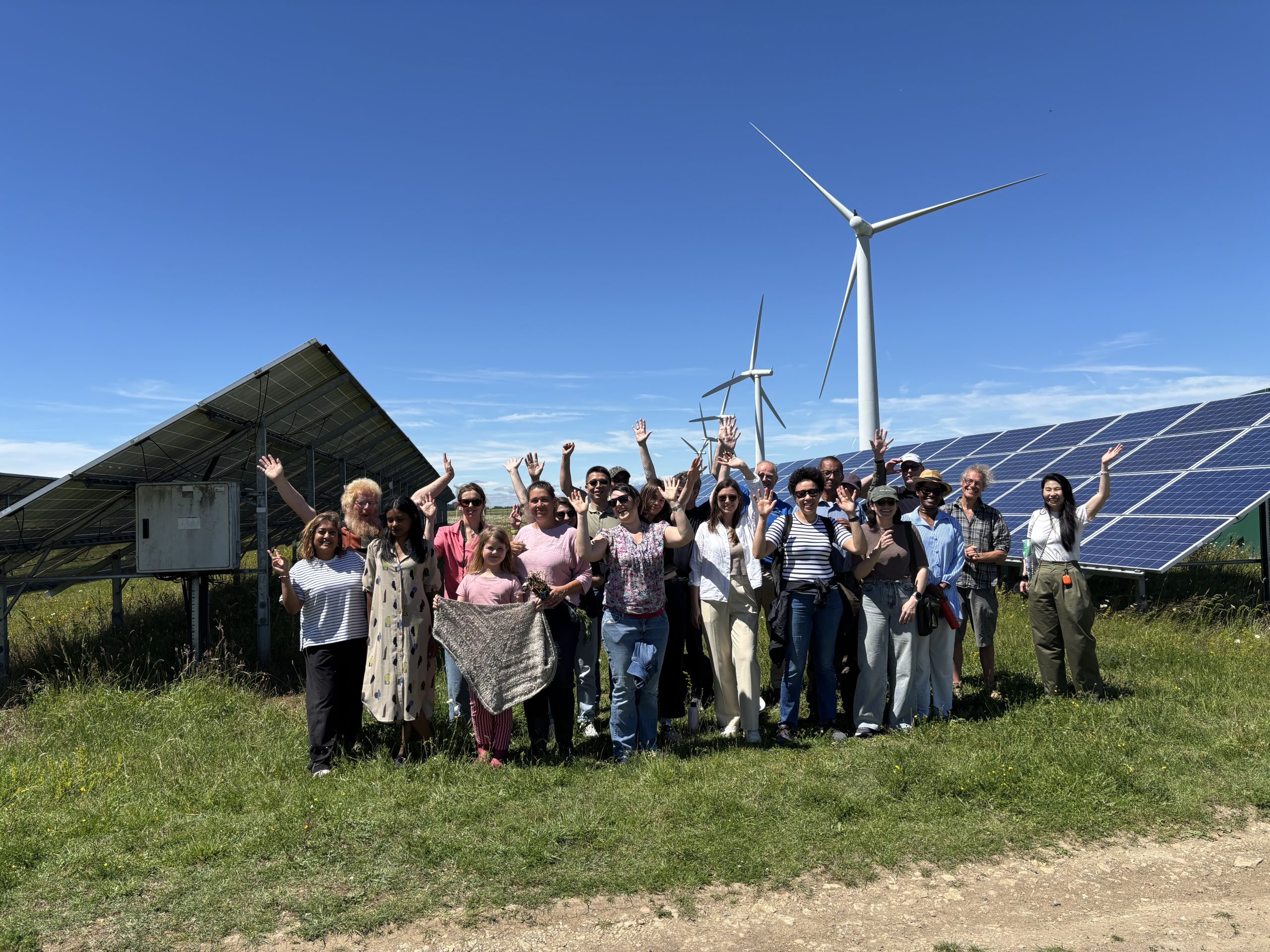
A recent learning exchange in the United Kingdom (UK), hosted with the European Climate Foundation (ECF), illustrates how this approach works in practice.

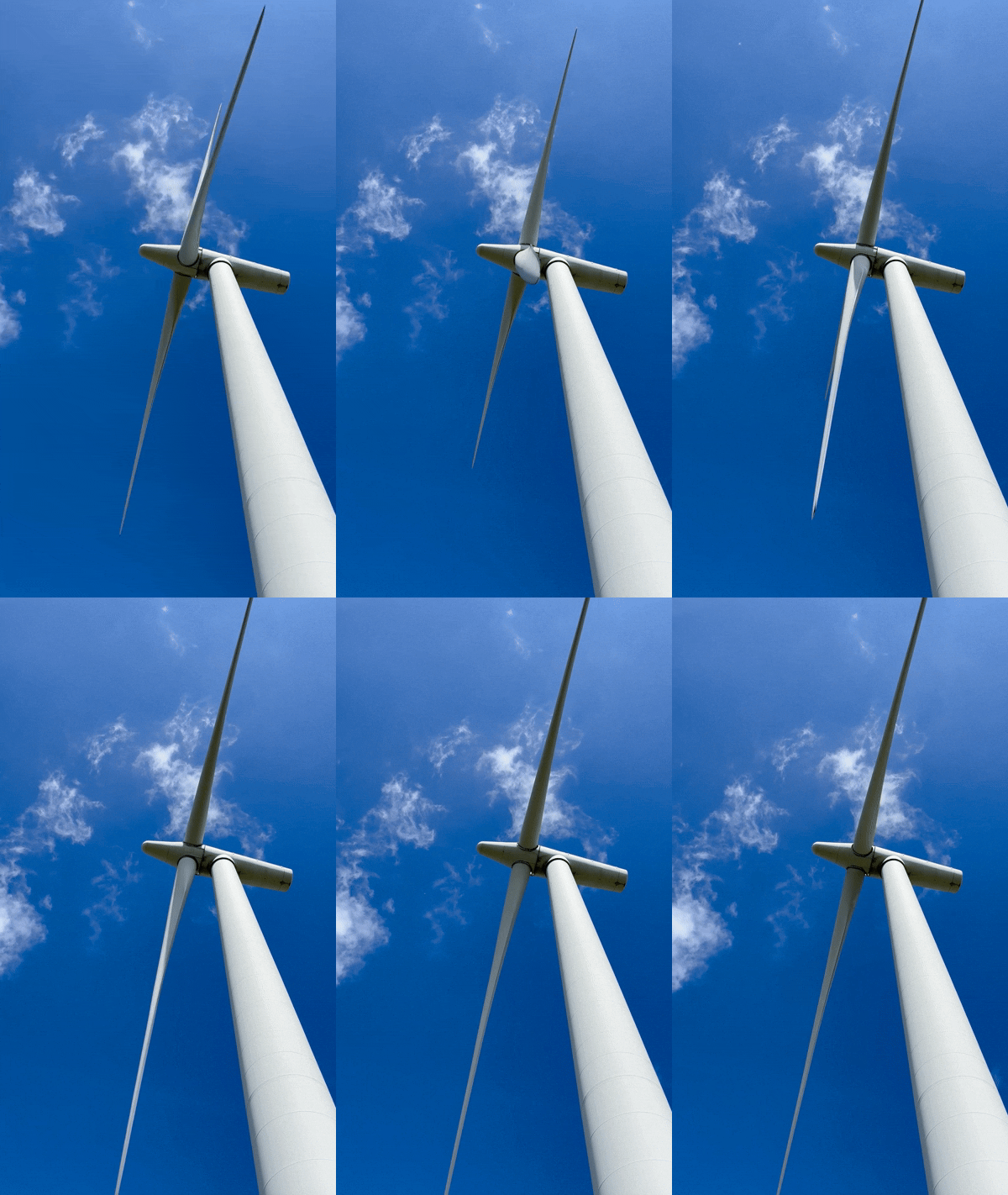
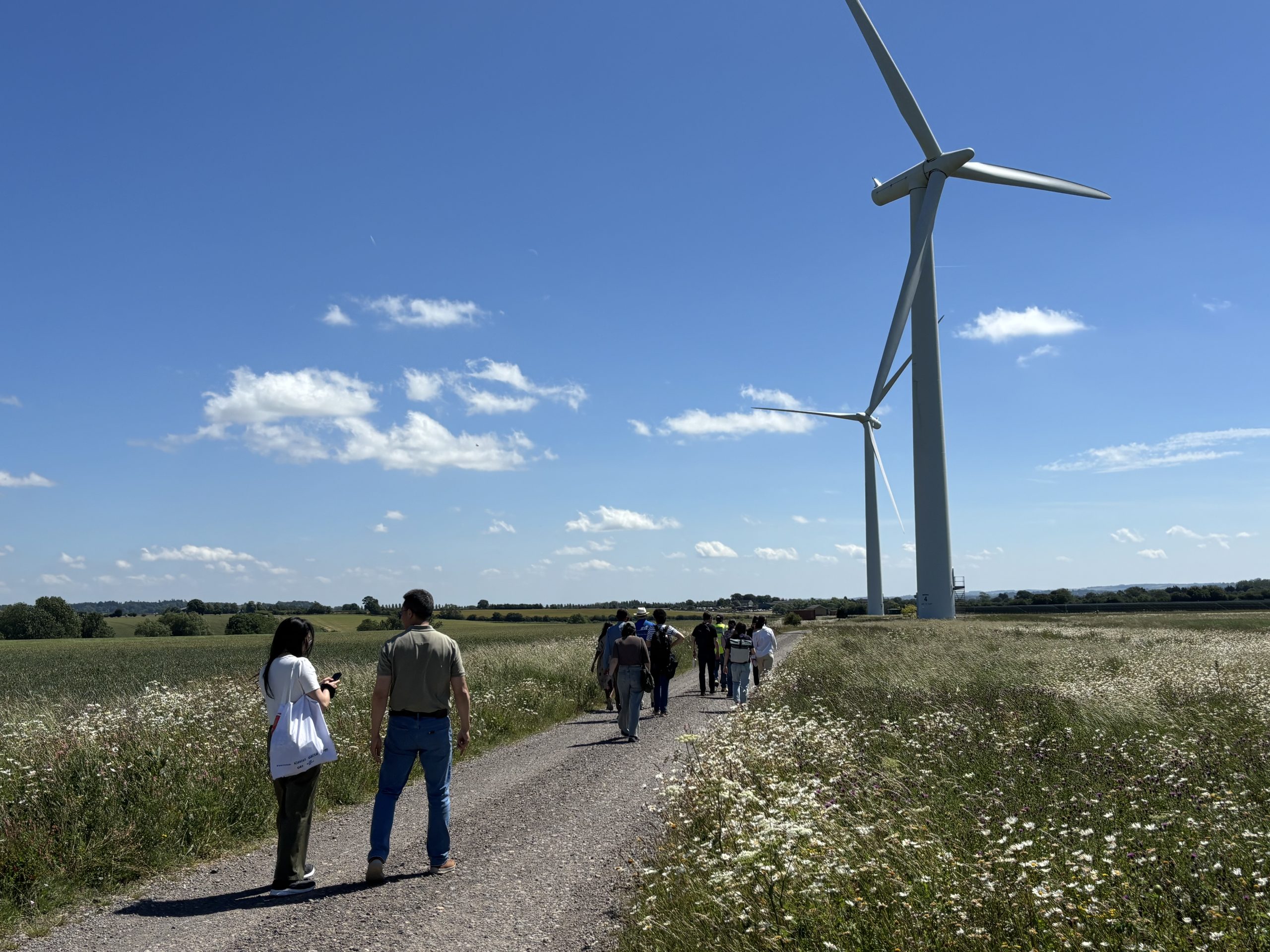
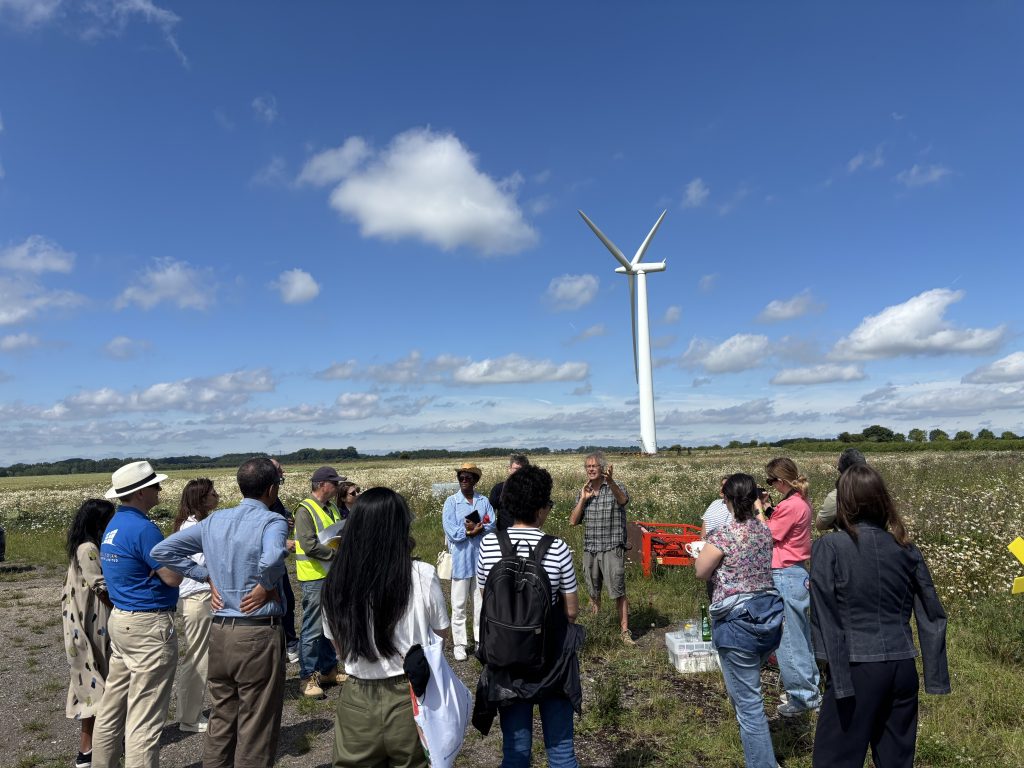
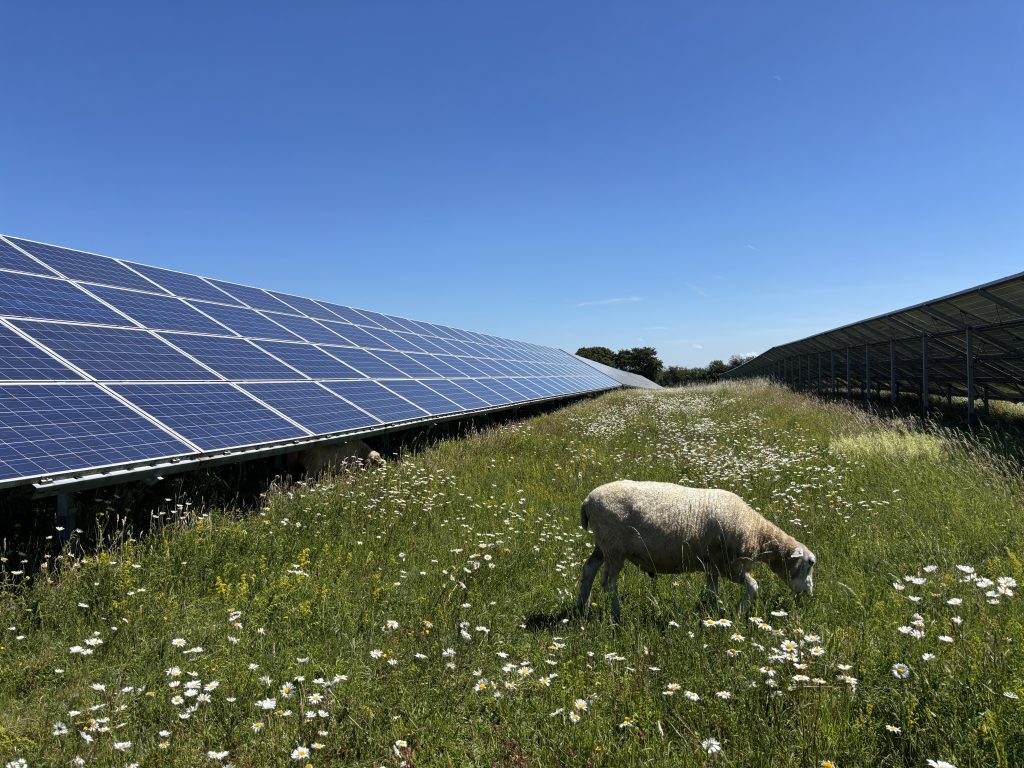
The exchange included visits to Westmill Energy Co-Operative in Oxfordshire and a community energy initiative supported by Repowering London in Newham. Through these visits and discussions, coalition partners explored community energy models that generate local economic value, broaden participation in renewable energy and strengthen local ownership of the energy transition. But the projects themselves were not the primary focus. The real value lay in examining the conditions that made them possible and how those lessons resonate with experiences from other regions.
Building the conditions for scale

Community energy is often discussed in terms of infrastructure, ownership models or financing mechanisms. Yet a clear message emerged from both the site visits and partner discussions: successful initiatives depend on much more than just renewable energy assets. They depend on trust, local leadership, supportive institutions, long-term commitment and access to finance during the early stages of development.

Across the exchange, four enabling factors consistently emerged:

  • Supportive policy and regulatory frameworks
  • Access to patient, early-stage finance
  • Technical and organisational capacity
  • Meaningful community ownership and participation

These are not unique to the UK. They are the conditions that often determine whether renewable energy solutions can move from ambition to implementation. They also reinforce the importance of philanthropy in enabling cross-regional collaboration, shared learning and the conditions needed to develop, adapt and expand effective approaches.

“What stands out is how long it takes to build something like this—not just the infrastructure, but the trust behind it. It reinforces the role that sustained support, including philanthropic capital, plays in getting these models off the ground.” — African Climate Foundation
Different contexts, shared lessons

One of the most valuable aspects of the exchange was the opportunity to explore these themes from different regional perspectives – especially because community energy rarely follows a single blueprint. While the principles may be similar, their application depends heavily on local realities.

In Mexico, initiatives are often closely linked to land, indigenous communities and local economic activity. Across other ReNew2030 partner contexts, including Brazil and China, questions of participation, decision-making and local benefit-sharing are shaped by different political and economic realities. In Indonesia, community energy extends beyond ownership models to encompass community empowerment, public engagement and trust-building, a perspective reflected in the work of the Tara Climate Foundation.

The exchange reinforced that successful models cannot simply be copied from one place to another. What can be shared are the lessons behind them. Understanding how enabling policies developed, how financing barriers were addressed, how trust was built and how local participation was strengthened can help partners think through similar questions in entirely different settings.

“The key question is who benefits, and how this connects to existing economic activity—whether that’s fisheries, agriculture or small businesses.” — Iniciativa Climática de México

Learning: a driver of impact

While community energy looks different across regions, the exchange showed that many of the underlying questions are shared: how to build trust, unlock early support, strengthen local participation, and connect renewable energy with wider social and economic value.

“The European experience shows what is possible when the right policy and financial conditions are in place. But it also highlights the gap that exists in other regions—and where strategic philanthropy can play a catalytic role.” – European Climate Foundation

The value of the exchange was not in identifying a model to replicate, but in generating practical insights that can inform strategies, philanthropic investments and programme design. Experiences from the UK offered perspectives relevant to discussions in Latin America, Africa and Asia, while insights from those regions help test assumptions, and broaden understanding of what enables community energy to succeed in practice.

Ultimately, the exchange highlighted the importance of understanding not only what works, but why it works — and how those lessons can be carried beyond a single project.
Tags:
Posted in Uncategorised | Comments Off on Beyond projects: How ReNew2030 turns local experience into greater impact

ReNew2030 receives transformative gift to accelerate the global power sector transition

ReNew2030 receives transformative gift to accelerate the global power sector transition

Contribution will support international efforts to triple renewable energy capacity by 2030

  Download Press Release

We are grateful to announce that ReNew2030 has been entrusted with an unrestricted gift by MacKenzie Scott via her foundation Yield Giving. As one of several climate collaboratives receiving funding through this initiative, this generous support will empower ReNew2030 partners around the world to scale up their high-impact work—helping accelerate a faster, more equitable power sector transition to renewables.

Yield Giving’s commitment is rooted in a simple but powerful truth: meaningful change is shaped not by any single leader or institution, but by countless acts of care, collaboration, and courage. This gift recognises that same spirit of interdependence in the global transition to renewable energy.

It affirms that equity and inclusion are central to ensuring an effective and just power sector transition at every level. It underscores the value of the local leaders, regional climate foundations, and transnational partners who make up the ReNew2030 network—organisations that blend deep local knowledge with global reach and understand that the transition succeeds when communities are not only protected but empowered.

Building a renewable-powered future

Beyond providing essential new resources, this milestone reinforces the confidence in our collective vision and the powerful momentum we’ve built together with our partners, acknowledging the long arc of contributions—large and small—that make global progress possible.

Over the next four years, this support will enable ReNew2030’s network to deepen their engagement in communities most affected by climate change and energy inequities, fostering innovative solutions that reflect local priorities while helping accelerate global goals to triple renewable capacity by 2030.

We know that the path to a cleaner, fairer world is shaped by the many hands, hearts, and decisions that rarely make headlines. This milestone opens new possibilities for those contributions to ripple outward with greater impact where they matter most.

We are deeply grateful to Yield Giving and to our strong community of funding catalysts for their trust and partnership, and to our entire network for their unwavering dedication to a cleaner, more equitable world. Together with this remarkable cohort, we continue to advance our shared mission of scaling wind and solar power by 2030.

“This extraordinary gift arrives at a pivotal moment, as communities on the frontlines of climate change face mounting challenges and shrinking time to act. It empowers dedicated organisations on the ground, enabling them to reach more people, scale faster, and accelerate our shared mission of building a just, clean energy future. It’s a powerful step toward a world where every community has the chance to thrive — not just survive.”

— Sharon Lo, Deputy Director, Program Strategy and Insights at Tara Climate Foundation & Chair of ReNew2030’s Implementation Partners Council

“A testament to the value of national and local action and the strength of our collaborative approach, this generous contribution strengthens our ability to turn ideas into real, lasting renewable energy solutions. With this support, we’re advancing a power transition that’s both swift and equitable, ensuring all regions share in the promise of a cleaner, more resilient future.”

— Rebecca Collyer, Executive Director at ReNew2030  

Read more from Yield Giving
Tags:
Posted in Uncategorised | Comments Off on ReNew2030 receives transformative gift to accelerate the global power sector transition

A tipping point for the energy transition — but will we seize it?

A tipping point for the energy transition — but will we seize it?

By Rebecca Collyer, Executive Director at ReNew2030

“The world added over 600 gigawatts of solar and wind last year — with solar alone growing more than fifteen times faster what the IEA expected a decade ago.” This line from the Energy and Climate Intelligence Unit’s new report underlined a truth: few believe a transition is gathering pace until they can see it unfolding in real time. Ten years on from the Paris Agreement, it’s a reminder that the energy transition isn’t a future promise, it’s here, accelerating faster than most imagined. Even among experts, that very acceleration has expanded the community itself, giving rise to more expertise and visionaries than before!

Just weeks ago, fresh on the heels of NYC Climate Week, new data echoed the same story: solar generation hit a record high, and renewables overtook coal in global electricity generation for the first time ever.

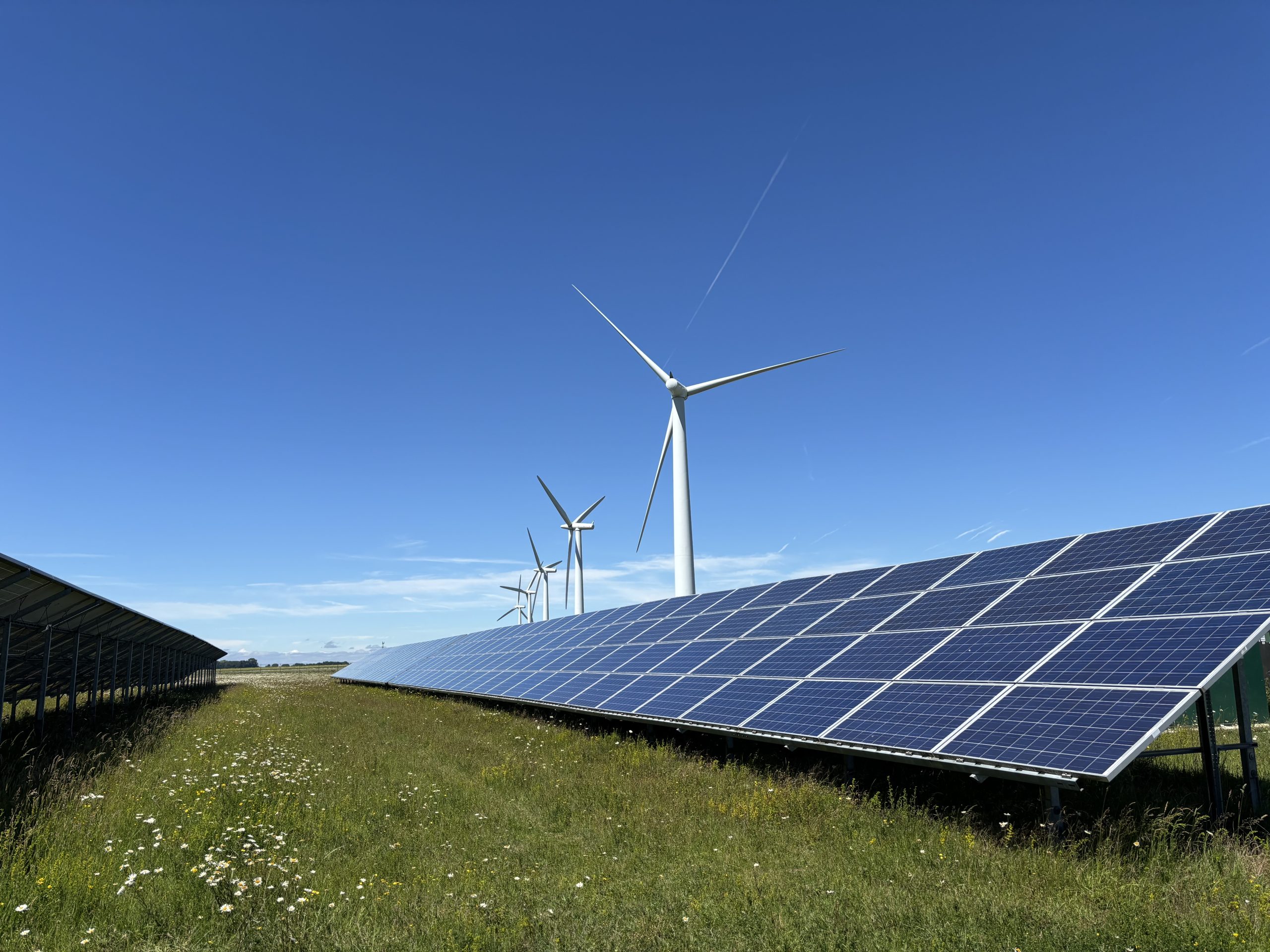
The new figures confirm that progress is being made. The IEA projects that global renewable power capacity will double by 2030 — equal to the combined capacity of China, the EU, and Japan. Solar PV will lead, accounting for nearly 80% of this growth, with wind close behind despite ongoing challenges. And Ember’s analysis shows that in the first half of 2025 solar and wind growth exceeded the rise in global electricity demand, meaning clean energy didn’t just keep up, it outpaced it.

What we’re witnessing isn’t just a technical or economic transformation; it’s a profoundly human one. A fundamental shift in how the world powers itself: faster than many expected, yet still not fast enough. National Climate Commitments are starting to reflect this shift — many now include renewable energy goals, a notable change from before, but those goals still need to be strengthened.

This is more than an energy story. This is about what it means for people.

We’ve seen firsthand how rooftop solar cuts household bills and how decentralised systems light up clinics, schools, and homes beyond the reach of national grids. In Nigeria, our partner the African Climate Foundation is driving renewable energy projects that expand access. In Pakistan, The Sunrise Project and Tara Climate Foundation are supporting businesses adopt distributed solar to reduce costs and build resilience.

These aren’t side stories — they’re the new centre of energy resilience and equity.

Behind every solar panel or wind turbine is a story of change and, often, of justice: lower energy bills, increased electricity access for remote communities, local jobs, and enhanced energy security.

But progress is not a given.

Yes, renewables have clearly hit the acceleration phase of their S-curve: costs have fallen, supply chains are maturing, and record solar additions are driving global growth, with wind beginning to recover, though unevenly. Yet that very acceleration is exposing new bottlenecks. Grids and policies need to evolve just as fast to keep the curve steep — and how fast we catch up will determine how fast we stay on the steep section.

This growing tension between rapid deployment and system readiness is shaping the next frontier of the energy transition. As renewable energy undercuts fossil fuels on cost, it’s also reducing wholesale electricity prices and system costs. But here’s the catch: without fair market design and investment in modern grids, these savings won’t reach the people who need them most.

Even more troubling, fossil fuel production plans continue to defy climate logic, with governments set to produce more than twice the fossil fuels in 2030 than compatible with 1.5°C. At the same time, less than 15% of renewable energy finance reaches emerging markets and developing economies — both a missed opportunity and an injustice. The energy transition cannot be called successful if it leaves large parts of the world behind.

So where does that leave us? With a choice.

The IEA’s “main case” scenario still falls short of the COP28 target to triple global renewables by 2030. But its accelerated case analysis shows we can close that gap if we act now to resolve financing barriers, cut red tape, and invest in infrastructure.

At ReNew2030, we’re working toward that future. Our mission is to help countries and regions stay on the steep part of the renewable S-curve by turning shared bottlenecks into solutions that can be scaled and replicated. While record growth is encouraging, not all regions are moving at the pace needed to align with the IEA’s Net Zero 2050 pathway, which requires a sustained global expansion on the order of 15% per year through 2030. Many countries, especially outside the frontrunner markets, need to raise both ambition and execution. Closing that “S-curve gap” is precisely what ReNew2030 was created to do.

Because this transition isn’t only about installing more solar panels. It’s about building systems that work for people. That means grid-ready infrastructure, institutional reforms, and local leadership.

As we approach COP30 in Brazil, we must be clear-eyed: this cannot be another summit of promises. It must deliver on credibility and implementation. To keep global climate goals within reach, we can’t simply restate ambition; we must accelerate deployment wherever it can make the biggest impact. That means every clean megawatt we can deploy faster, every policy we can unblock, every financing barrier we can remove, matters profoundly in keeping 1.5°C alive.

The choice before us is simple: seize this tipping point, or risk watching it slip away.

Rebecca Collyer
Executive Director at ReNew2030

Tags:
Posted in Uncategorised | Comments Off on A tipping point for the energy transition — but will we seize it?

Renew2030 at COP28 pushing for the tripling pledge

Renew2030 at COP28 pushing for the tripling pledge

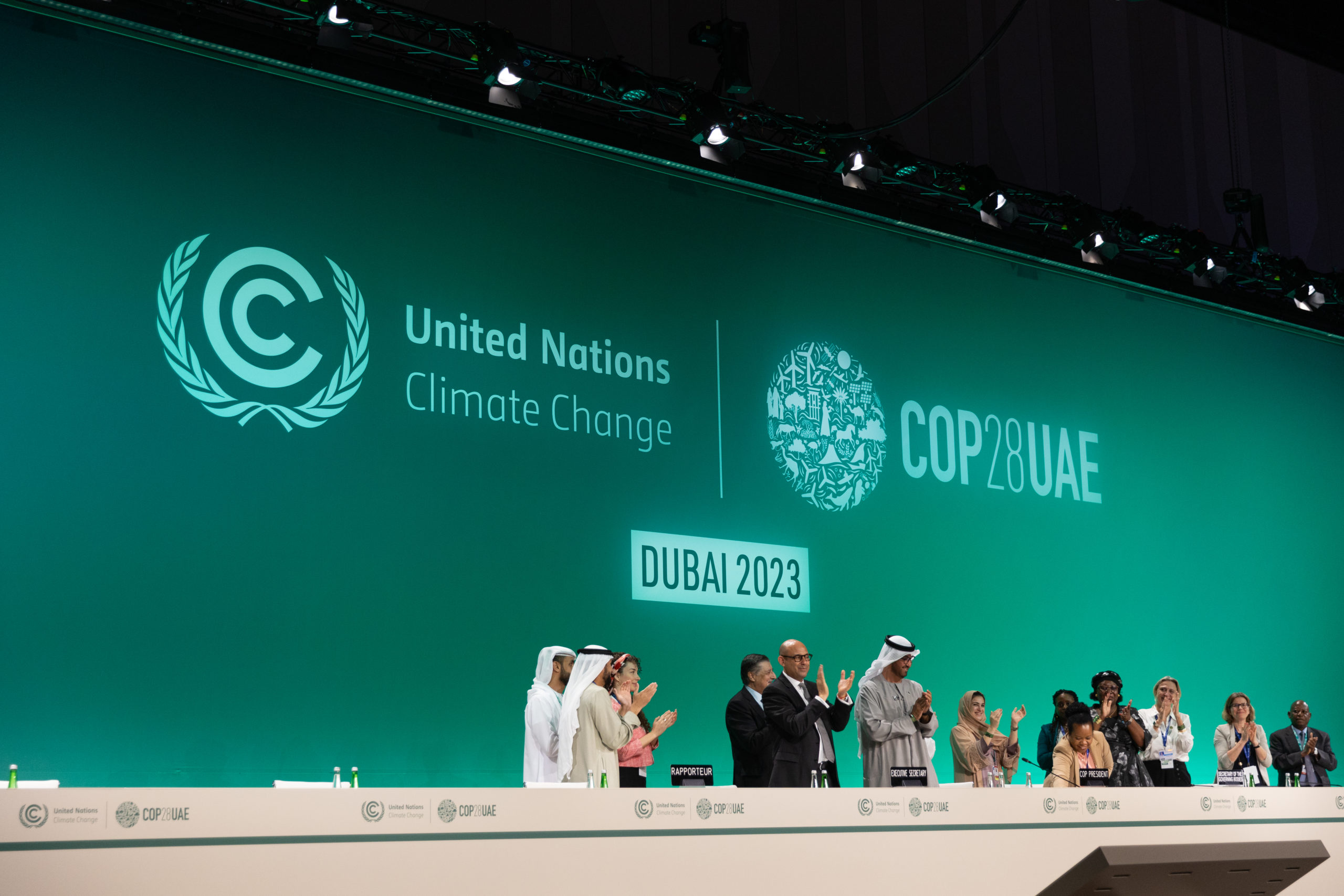
The agreement reached at COP28, calling on countries to transition away from fossil fuels in energy systems in a just, orderly and equitable manner, is a historic marker, signalling the end of the era of fossil fuels and the beginning of the age of renewables.

Renewables and their unstoppable power to bring prosperity and a clean future bookended the COP28 proceedings.

The groundbreaking pledge made by 130 countries at the opening of the COP to treble renewable energy production by 2030 was further consolidated in a global goal in the Global Stocktake in the closing hours of the international conference of leaders.

ReNew2030 is proud to have contributed to this pivotal moment by supporting partners around the world to address the barriers and levers that affect the rapid and equitable scaling up of wind and solar power.

At COP28 we saw civil society organisations from around the world holding firm on the need for an equitable, well financed, fair transition. We saw the renewables industry come together in force calling for 3x renewable energy by 2030 – exemplified by the leadership of the Global Renewables Alliance team. And we saw philanthropy and the regional climate foundations coming together with the ReNew2030 international partners with a clear message in support of the renewables goal.

ReNew2030 will continue to work with partners on the ground through the regional climate foundations and international partners to turn this historic goal into real projects that meet the needs of communities around the world.

ReNew2030 team interviewed live on We Don’t Have Time

Rebecca Collyer and Luisa Sierra Brozon of ReNew2030 and ReNew’s Mexican partner Iniciativa Climática de Mexico )ICM) were interviewed by We Don’t Have Time, the climate change social network and review platform.

Drive Electric Campaign and ReNew2030 join forces to supercharge the transition to renewable energy and electric transportation

Drive Electric Campaign and ReNew2030 join forces to supercharge the transition to renewable energy and electric transportation

New partnership centers on the role of electrification and critical raw materials to scale a climate-secure and just energy transition in transport and energy

SAN FRANCISCO and THE HAGUE | November 27, 2023.

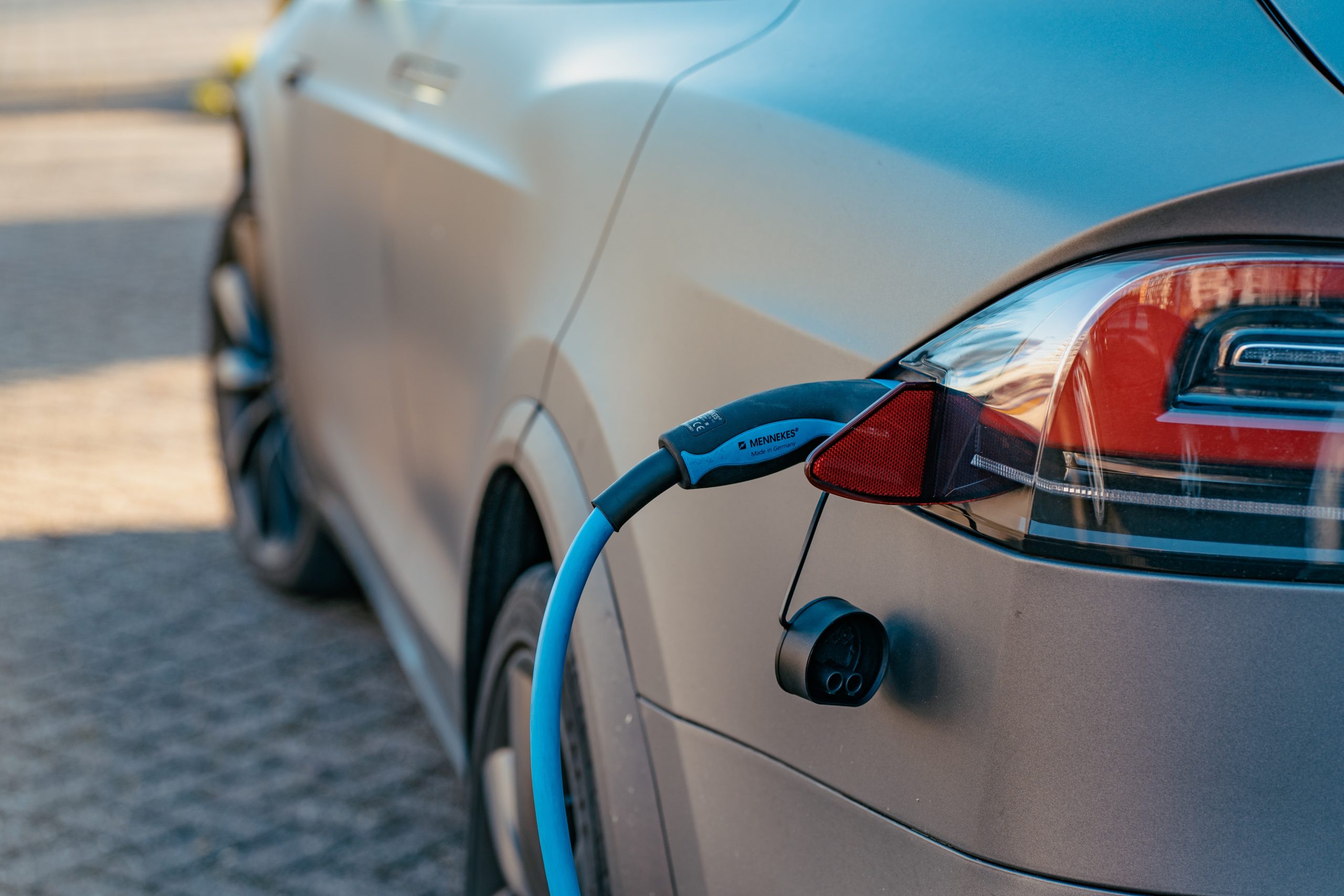
Today, the Drive Electric Campaign and ReNew2030 announced a partnership to support an accelerated just transition to clean energy and electric transportation. Their shared, people centered vision of an electrified future works to shape responsible and circular mineral supply chains and advance the economic co-benefits of job creation and green industrial development in the renewable and auto sectors. The partnership brings together hundreds of partners working in dozens of countries to advance renewable energy and all forms of zero-emission transport.

Drive Electric and ReNew2030 are both recipients of the TED Audacious Project, a collaborative funding initiative that catalyses social impact on a grand scale and encourages the world’s greatest changemakers to dream bigger.

Rebecca Collyer, Executive Director of ReNew2030, said: “We have a limited window to act and a huge opportunity to grow renewable energy exponentially. Underpinning the growth in solar, wind and grids that we hope for will be the sustainable use of critical raw materials. A just energy transition is paramount for a liveable future, and coordinating efforts with the Drive Electric Campaign will yield a deeper understanding of the barriers and solutions to an electrified future.”

The partnership supports an accelerated expansion of clean technologies to phase out polluting fossil fuels in two high-emitting industries. Electrifying the road transport sector including cars, trucks, buses, and two- & three-wheelers could eliminate over 160 gigatons of carbon pollution cumulatively through 2060 while saving lives and improving livelihoods. Renewable power such as wind, solar, and battery storage can help decarbonise the power sector rapidly by 2030 and will address the sector’s outsized emissions.

“Reaching our goals for a safe climate will require a massive buildout of both renewable energy and an accelerated transition to electric road transportation,” said Rebecca Fisher, Drive Electric Campaign Director. “Our partnership with ReNew2030 is inspired by the opportunity to transition our energy and road transport sectors by ensuring emerging economies have access to clean, zero-emission power and vehicles of all types – and can leapfrog over dirty combustion as economies and populations expand in the coming years.”

Our collaboration recognises that the energy transition needs to center responsibility, accountability, and justice as we work towards a climate-safe future. To this end, the Drive Electric Campaign and ReNew2030 will work with the ClimateWorks Foundation’s Minerals for the Energy Transition initiative to help shape the growing mineral supply chain for clean energy technologies and support value addition and benefits to communities and mineral-rich countries.

Opportunities for collaboration include joint energy transition projects, and research publications with a particular focus on electrification and transition minerals. Coordinating efforts also maximise benefits to people and livelihoods:

  • Expanding the percentage of renewable energy on the grid further enhances the environmental benefits of electrifying transport.
  • Shaping and improving mineral supply chains and extraction for clean technologies can further secure the environmental and social benefits of the energy transition.
  • Increasing the number of electric vehicles on the grid and investing in vehicle-grid-integration (VGI) can enable higher levels of renewable generation and improve grid resiliency, reliability, and affordability.
  • Building out mini- or off-grid renewables coupled with electric vehicle fleets can bring power to previously underserved communities.

About the Drive Electric Campaign

The Drive Electric Campaign is an ambitious, philanthropy-powered global initiative to achieve a global tipping point leading to end the polluting tailpipe and accelerate the transition to 100% sales of zero-emission electric cars, trucks, buses, and 2 & 3 wheelers for the benefit of health, climate, and the economy.

About ReNew2030

ReNew2030 is a global coalition of experts, civil society, and philanthropic organizations working toward a first, fast, fair energy transition by mobilizing key actors across: government, business, and communities around the world. Our goal for 2030 is to increase global wind and solar capacity x5 in the countries responsible for over 80% of the power sector emissions to improve energy security, create new jobs and deliver health, climate and economic benefits.

Tags:
Posted in Uncategorised | Comments Off on Drive Electric Campaign and ReNew2030 join forces to supercharge the transition to renewable energy and electric transportation