Archive for the ‘Uncategorised’ Category

Beyond projects: How ReNew2030 turns local experience into greater impact

Beyond projects: How ReNew2030 turns local experience into greater impact

Exploring how learning, collaboration and philanthropy help renewable energy solutions achieve broader impact across different contexts

Renewable energy solutions do not scale simply because promising initiatives exist. They scale when the experience, insights and lessons behind them can inform action beyond a single project, organisation or geography. Yet too often, valuable knowledge remains isolated within specific contexts. ReNew2030 was created to help bridge that gap.

By connecting regional climate foundations with organisations advancing solutions on the ground, ReNew2030 creates opportunities for learning to move across regions. The aim is not just to share examples, but to explore what sits behind them: what makes approaches work, what challenges had to be overcome, and what aspects may be relevant elsewhere.
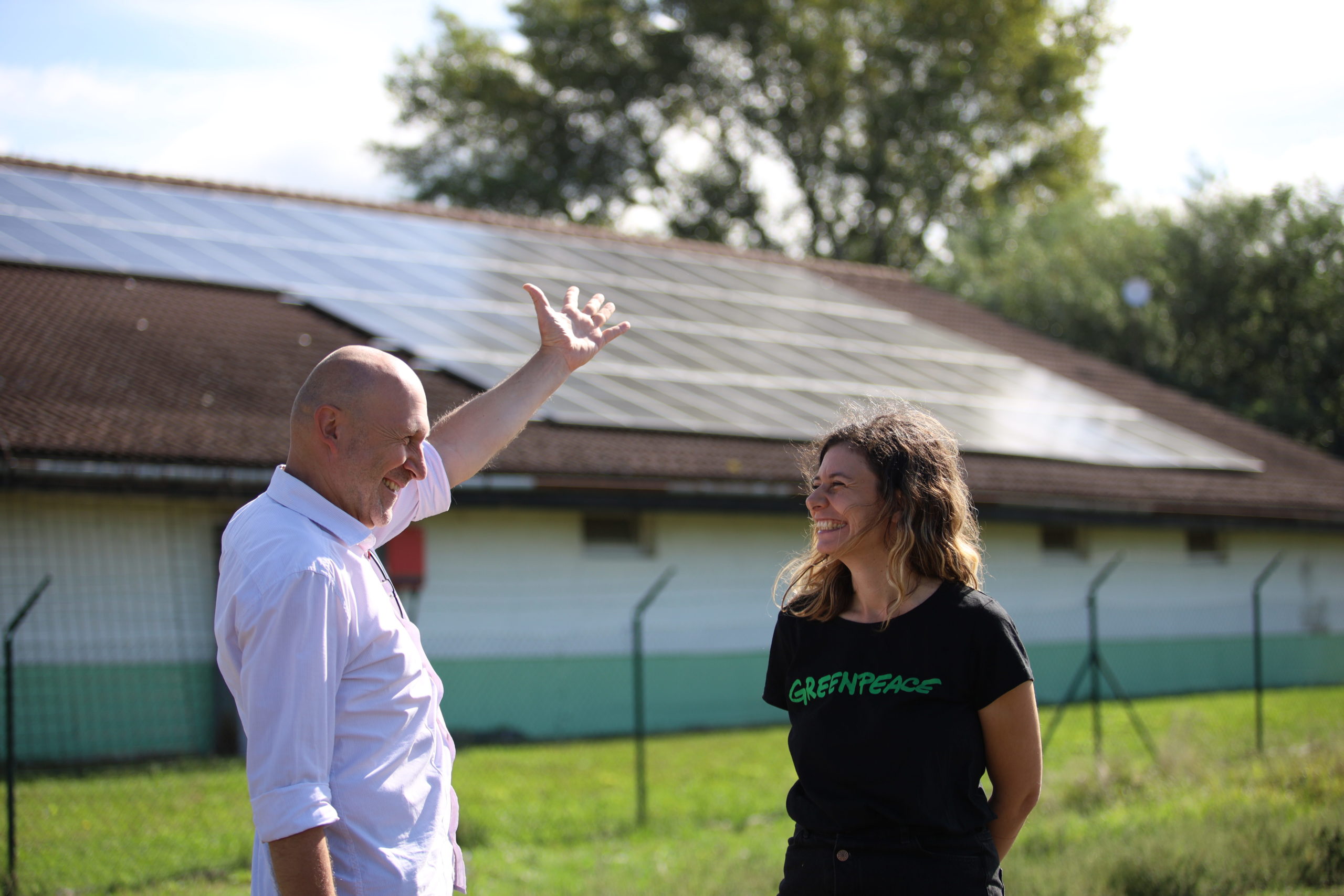
In doing so, local experience becomes a resource that can inform stronger strategies, more effective investments and greater impact across the coalition.

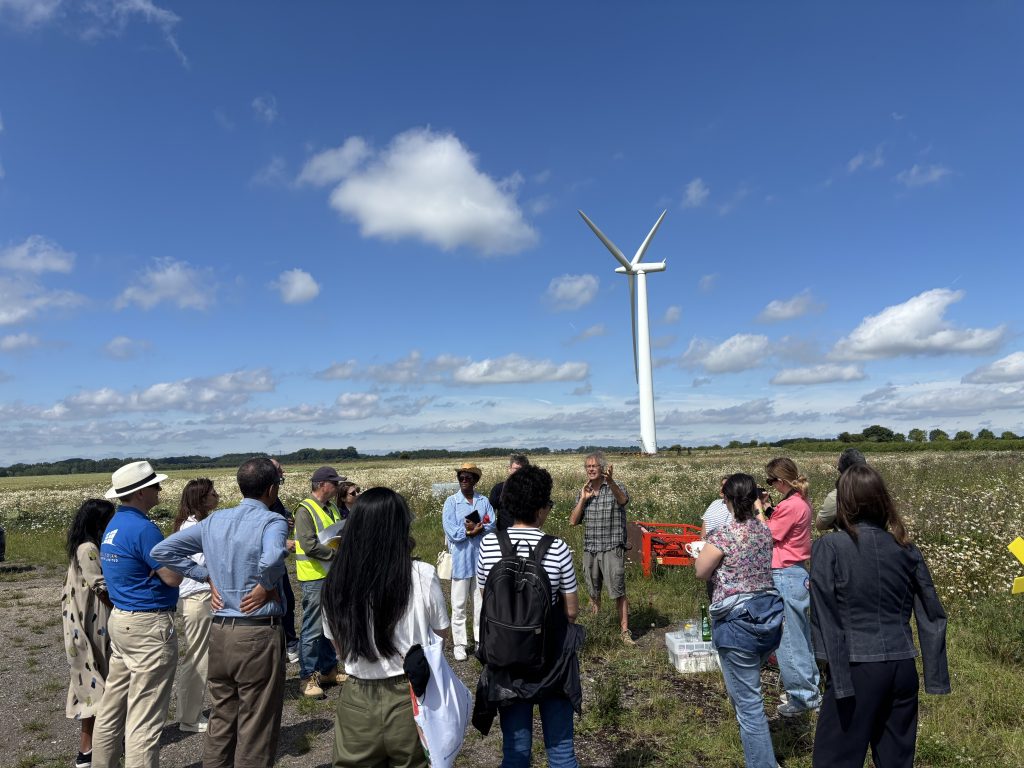
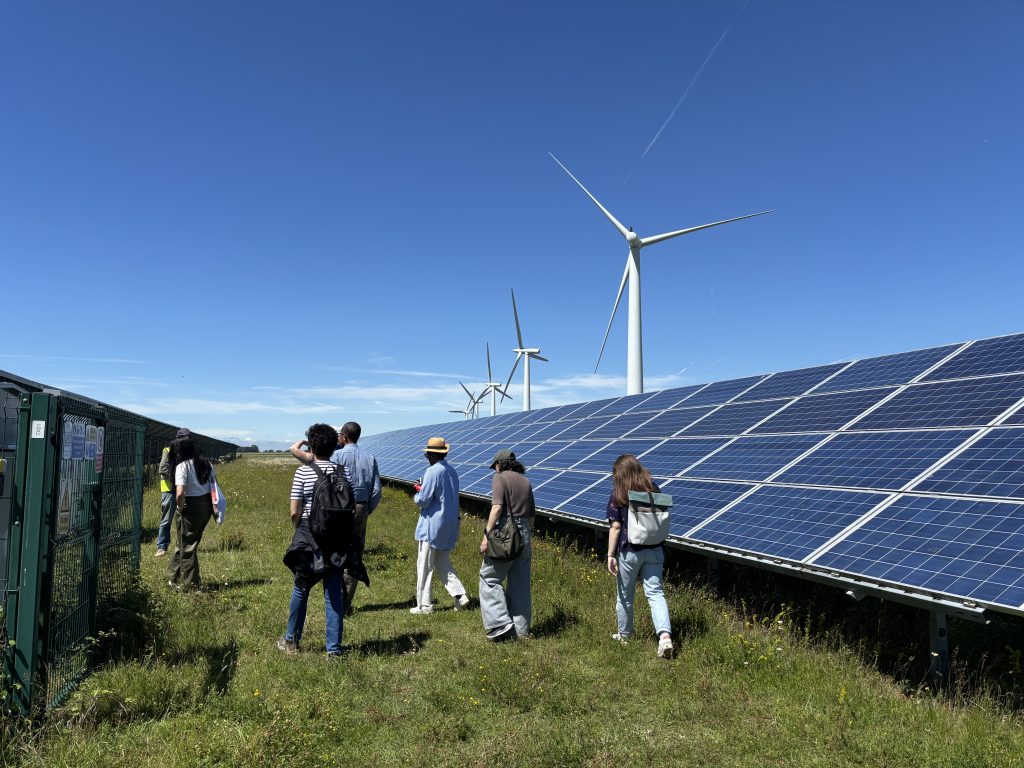
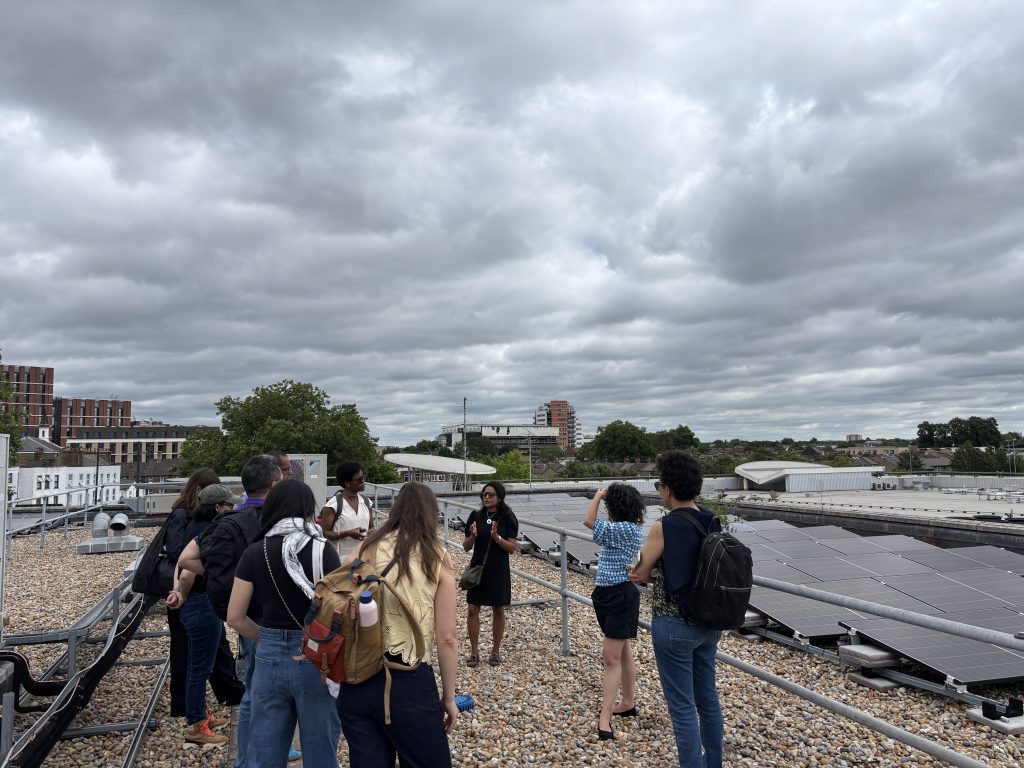
A recent learning exchange in the United Kingdom (UK), hosted with the European Climate Foundation (ECF), illustrates how this approach works in practice.

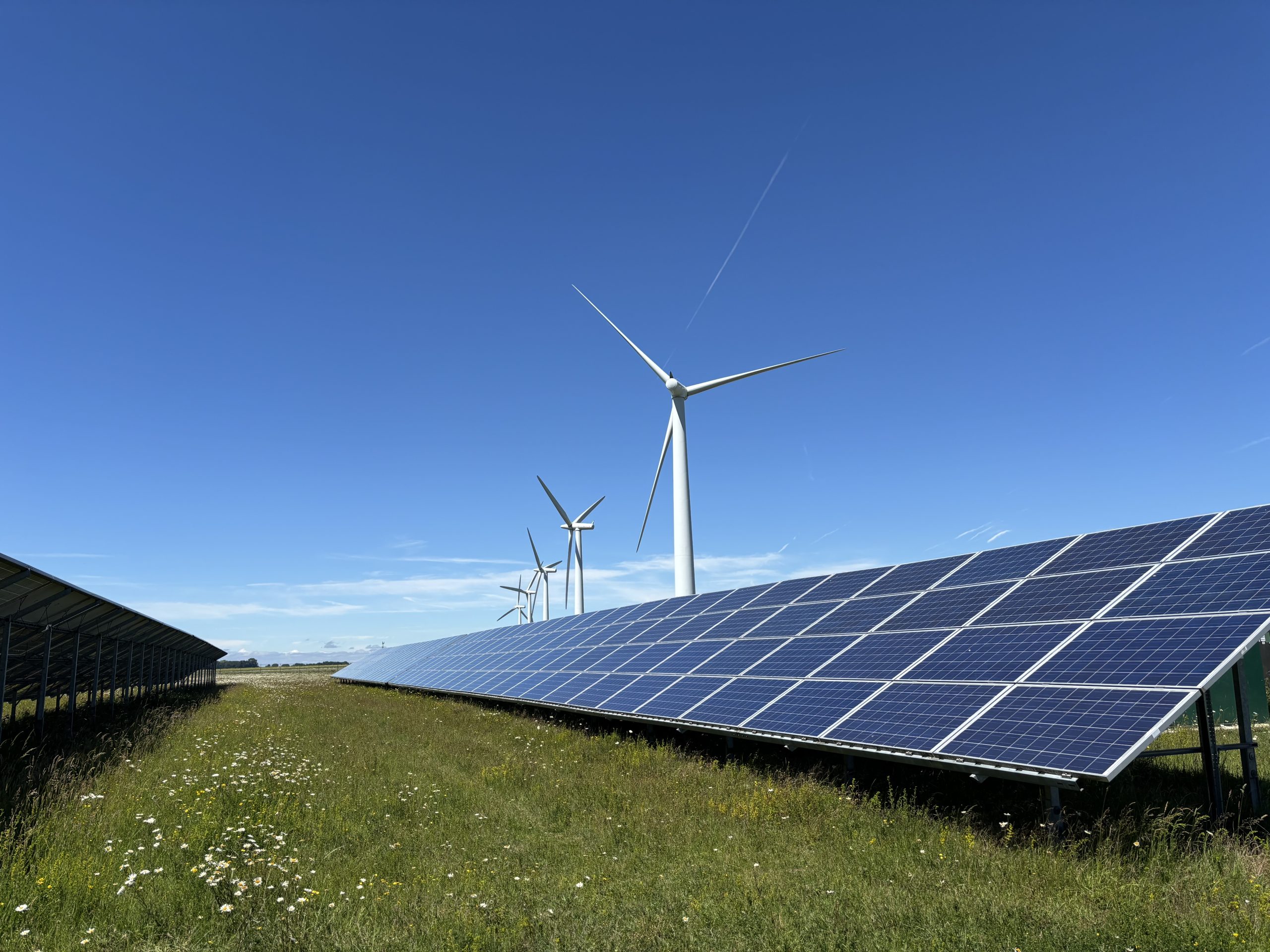
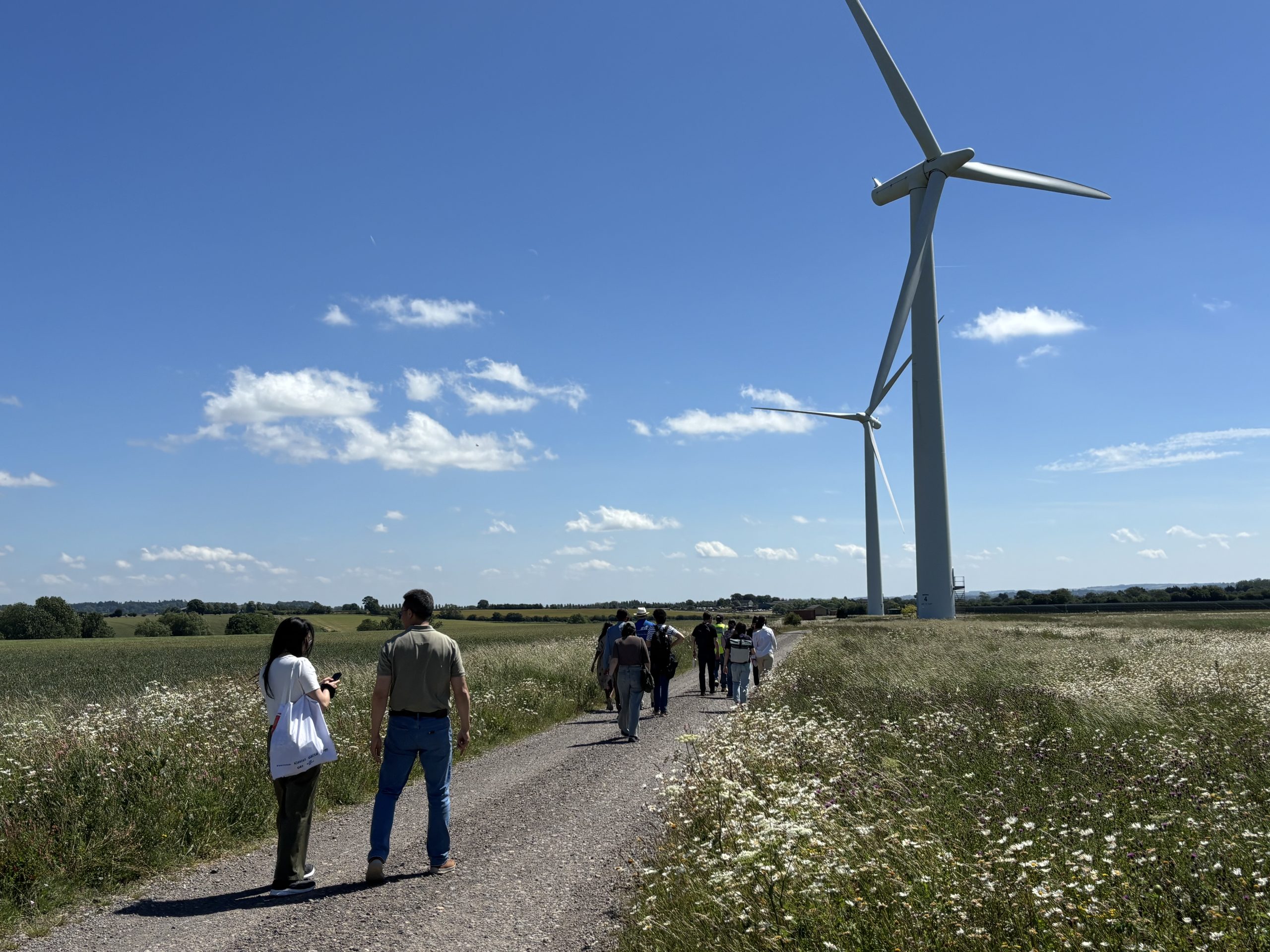
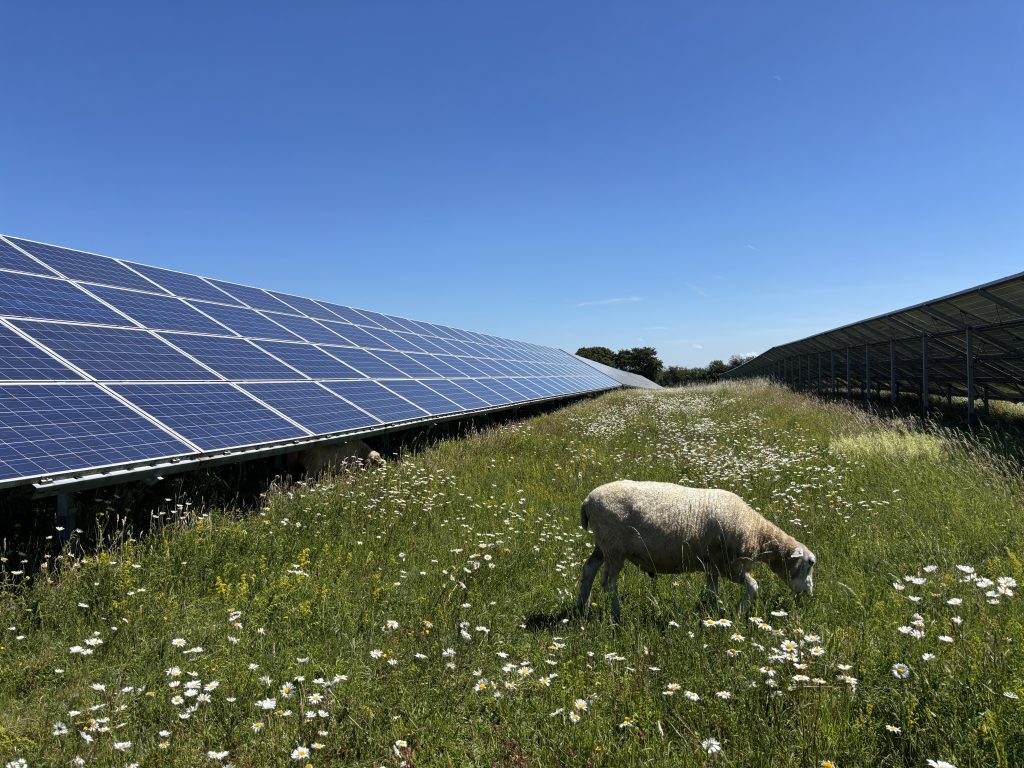
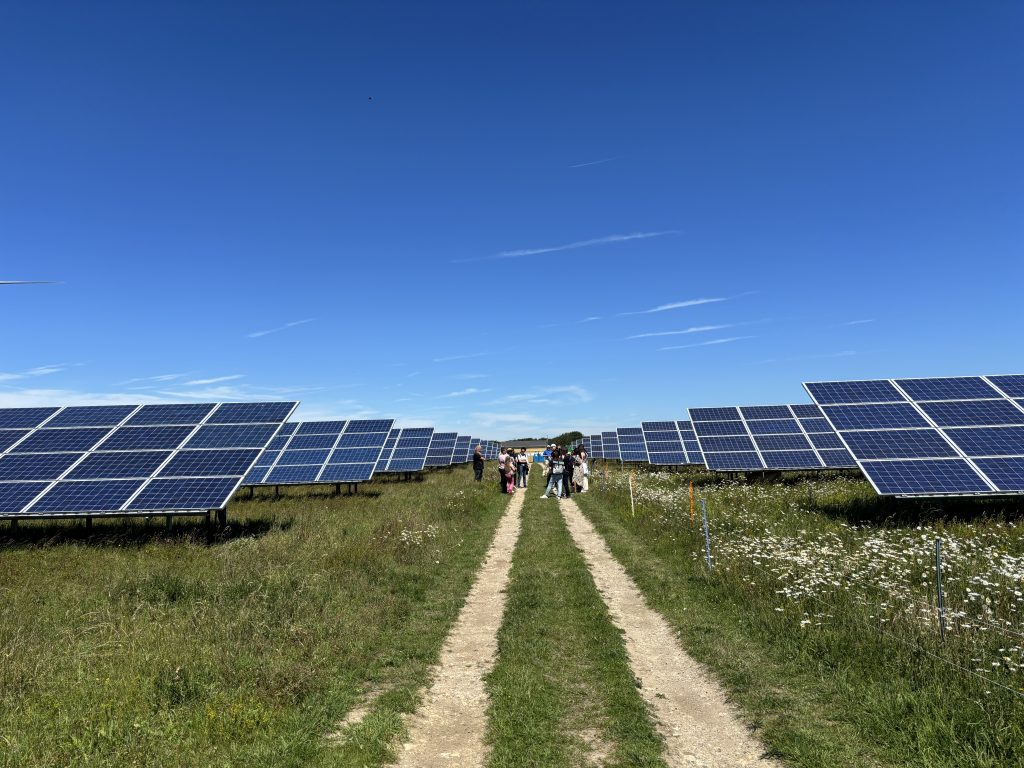
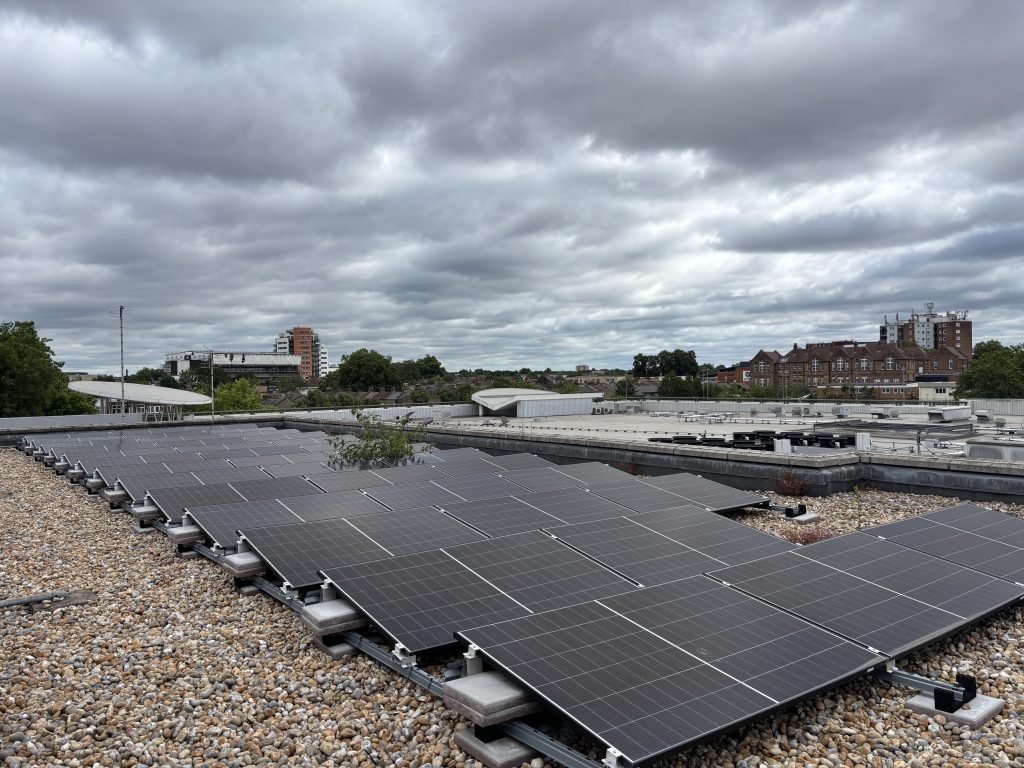
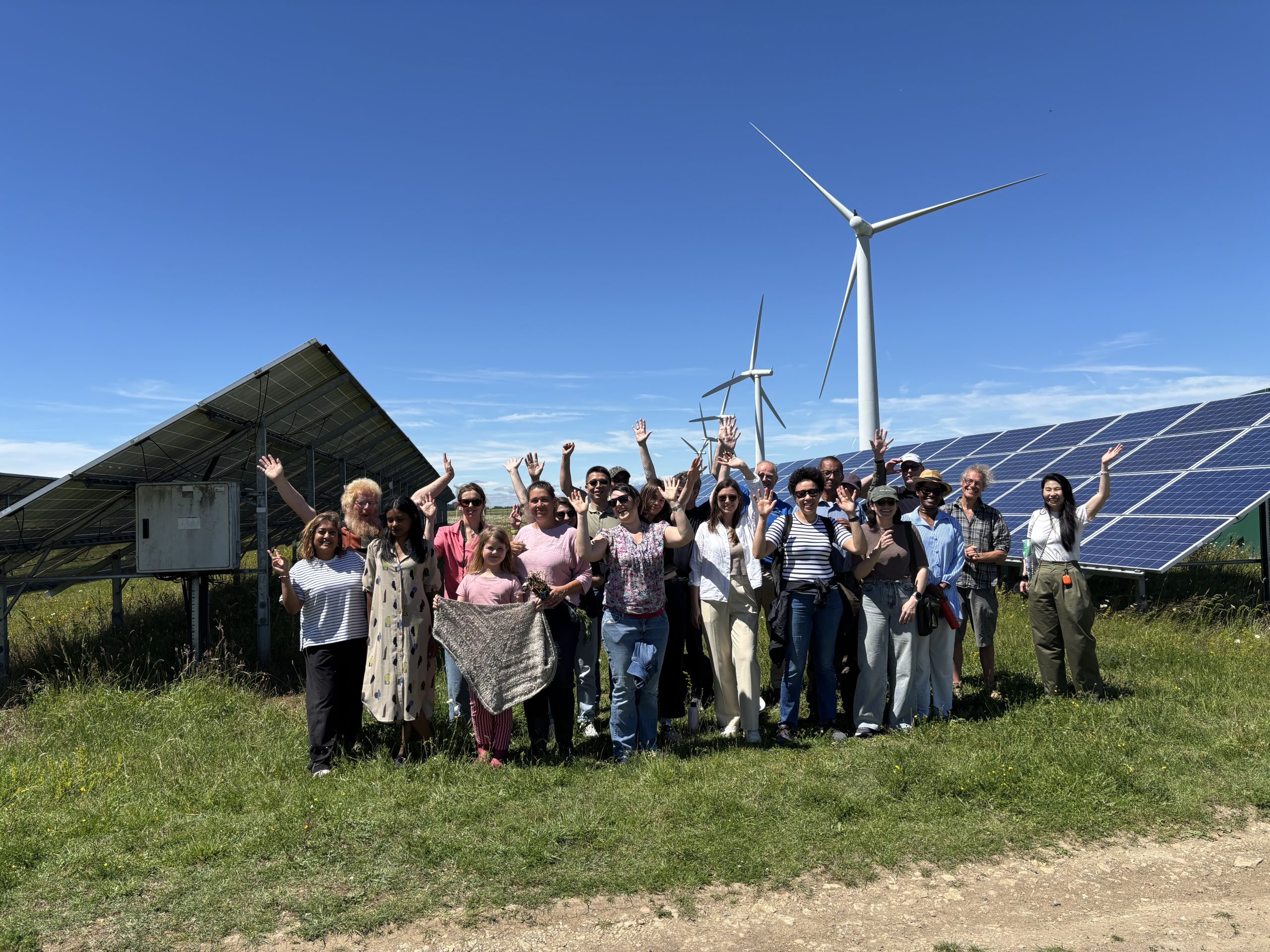
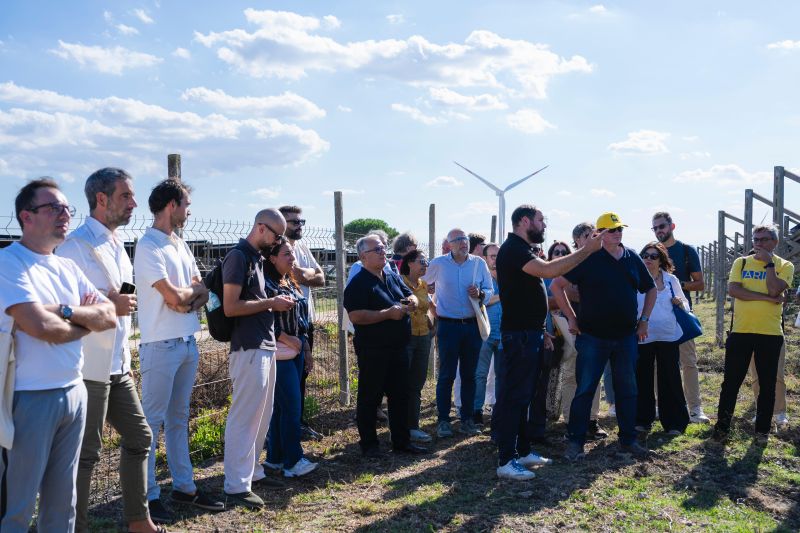
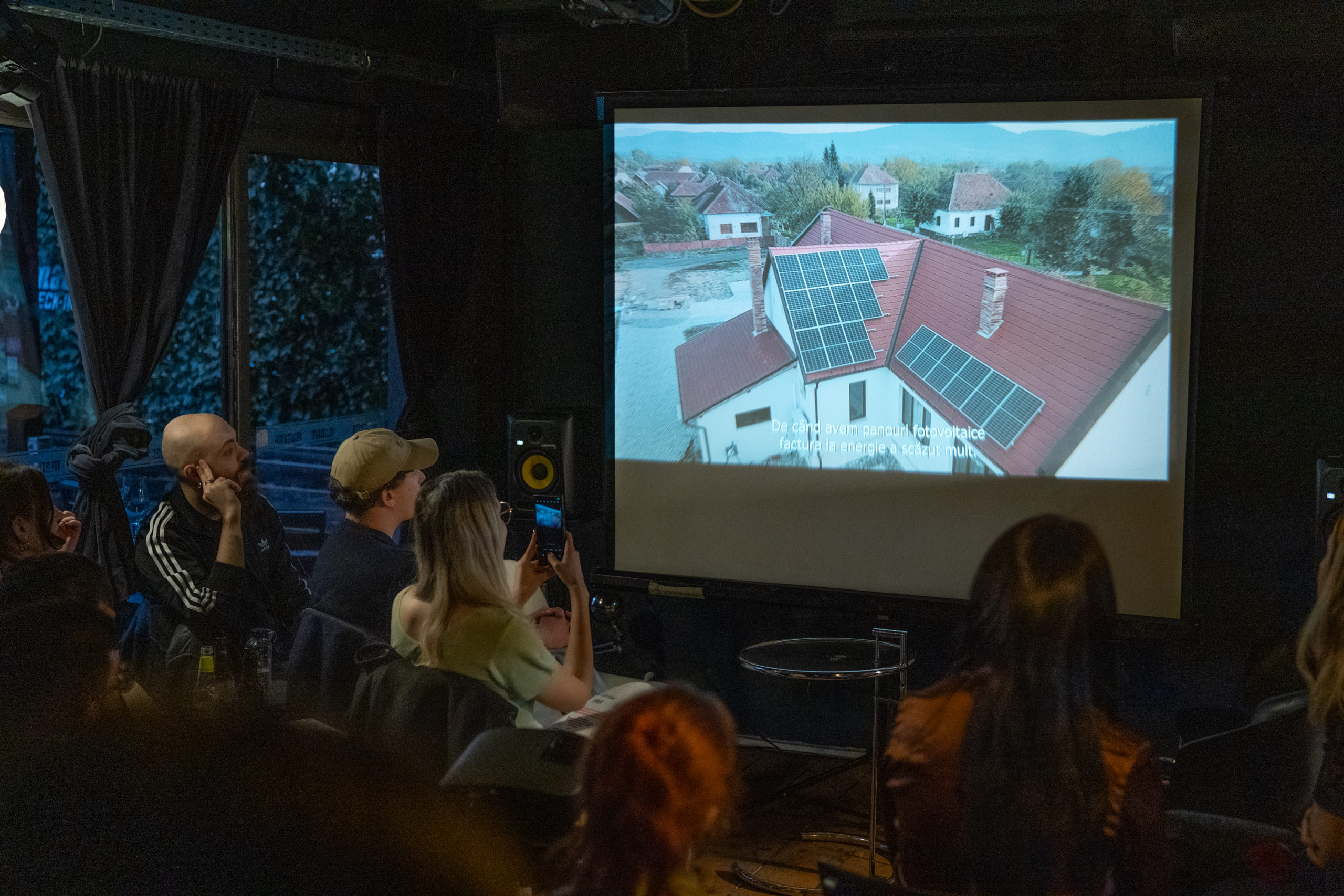
The exchange included visits to Westmill Energy Co-Operative in Oxfordshire and a community energy initiative supported by Repowering London in Newham. Through these visits and discussions, coalition partners explored community energy models that generate local economic value, broaden participation in renewable energy and strengthen local ownership of the energy transition. But the projects themselves were not the primary focus. The real value lay in examining the conditions that made them possible and how those lessons resonate with experiences from other regions.
Building the conditions for scale

Community energy is often discussed in terms of infrastructure, ownership models or financing mechanisms. Yet a clear message emerged from both the site visits and partner discussions: successful initiatives depend on much more than just renewable energy assets. They depend on trust, local leadership, supportive institutions, long-term commitment and access to finance during the early stages of development.

Across the exchange, four enabling factors consistently emerged:

  • Supportive policy and regulatory frameworks
  • Access to patient, early-stage finance
  • Technical and organisational capacity
  • Meaningful community ownership and participation

These are not unique to the UK. They are the conditions that often determine whether renewable energy solutions can move from ambition to implementation. They also reinforce the importance of philanthropy in enabling cross-regional collaboration, shared learning and the conditions needed to develop, adapt and expand effective approaches.

“What stands out is how long it takes to build something like this—not just the infrastructure, but the trust behind it. It reinforces the role that sustained support, including philanthropic capital, plays in getting these models off the ground.” — African Climate Foundation

Different contexts, shared lessons

One of the most valuable aspects of the exchange was the opportunity to explore these themes from different regional perspectives – especially because community energy rarely follows a single blueprint. While the principles may be similar, their application depends heavily on local realities.

In Mexico, initiatives are often closely linked to land, indigenous communities and local economic activity. Across other ReNew2030 partner contexts, including Brazil and China, questions of participation, decision-making and local benefit-sharing are shaped by different political and economic realities. In Indonesia, community energy extends beyond ownership models to encompass community empowerment, public engagement and trust-building, a perspective reflected in the work of the Tara Climate Foundation.

The exchange reinforced that successful models cannot simply be copied from one place to another. What can be shared are the lessons behind them. Understanding how enabling policies developed, how financing barriers were addressed, how trust was built and how local participation was strengthened can help partners think through similar questions in entirely different settings.

“The key question is who benefits, and how this connects to existing economic activity—whether that’s fisheries, agriculture or small businesses.” — Iniciativa Climática de México

Learning: a driver of impact

While community energy looks different across regions, the exchange showed that many of the underlying questions are shared: how to build trust, unlock early support, strengthen local participation, and connect renewable energy with wider social and economic value.

“The European experience shows what is possible when the right policy and financial conditions are in place. But it also highlights the gap that exists in other regions—and where strategic philanthropy can play a catalytic role.” – European Climate Foundation

The value of the exchange was not in identifying a model to replicate, but in generating practical insights that can inform strategies, philanthropic investments and programme design. Experiences from the UK offered perspectives relevant to discussions in Latin America, Africa and Asia, while insights from those regions help test assumptions, and broaden understanding of what enables community energy to succeed in practice.

Ultimately, the exchange highlighted the importance of understanding not only what works, but why it works — and how those lessons can be carried beyond a single project.

Tags:
Posted in Uncategorised | Comments Off on Beyond projects: How ReNew2030 turns local experience into greater impact

Collective Action for Renewable Power Transformation – 2025 Annual Report

Collective Action for Renewable Power Transformation – 2025 Annual Report

This ReNew2030 annual report highlights regional progress through coalition stories that show how our work is helping advance a more resilient energy future.

  Read our report

A world racing toward 2030 needs more than incremental change. It needs accelerators.

Throughout 2025, ReNew2030 worked with partner organisations in priority countries to support progress in renewable energy deployment across diverse national contexts. A growing portfolio of grants reflects both expanded support and deeper engagement. Through this work, partners:

  • Advanced more than 70 renewable energy, grid and low carbon projects
  • Contributed to over 20 national and subnational policy proposals
  • Supported the development of 4 national legal frameworks.

In the 20 countries where ReNew2030 is active, renewable energy deployment continued at pace. In 2025, these markets added 447 GW of solar and 145 GW of wind capacity, highlighting the scale and pace of deployment.

Strategy in Action

ReNew2030’s strategy reflects the growing recognition that power sector transformation will not happen through incremental change alone. To support this, ReNew2030 works through a coalition model that combines international coordination with locally grounded expertise. This shared approach is consistent in its core principles, while giving partners the flexibility to lead, adapt the work to their contexts, and root it in local priorities.

In 2025, this approach came to life across three interconnected areas shaping progress toward a fair and resilient energy transition: strengthening community-led energy initiatives, advancing grid development, and unlocking finance.

Alongside this work, the coalition also continued to support international work – from improving access to reliable evidence to strengthening coordination among institutions and helping align efforts across markets.

The stories below show how partners are advancing these priorities in practice.

What We Are Learning Across the Coalition

In 2025, insights from partners, monitoring and coalition-wide dialogue pointed to a set of consistent themes shaping progress across regions:

  • Progress depends on long-term engagement: Sustained partnerships, trust-building, and locally grounded work remain critical to moving from early activity to lasting impact.
  • Energy transitions are increasingly shaped by geopolitical and economic dynamics: Linking renewable energy to energy security, affordability, and economic opportunity is becoming essential for maintaining momentum.
  • Infrastructure and finance remain key constraints: Challenges around grids, permitting, and high financing costs continue to limit the pace and scale of deployment.
  • Social legitimacy is essential to scale: Community engagement, fair benefit-sharing, and responsiveness to local concerns are increasingly central to successful implementation.

Together, these insights point to the importance of approaches – central to ReNew2030’s work – that combine local expertise, system-level coordination, and sustained investment to enable renewable energy deployment at scale.

Read our report
Tags:
Posted in Uncategorised | Comments Off on Collective Action for Renewable Power Transformation – 2025 Annual Report

Bridging innovation and implementation in Asia’s energy transition

Bridging innovation and implementation in Asia’s energy transition

How philanthropy helps turn ideas into operating solutions across Asia, with partners including The Sunrise Project

Asia’s energy transition is accelerating under the twin pressures of rising demand and the urgent need for resilient energy systems. Across the region, however, the primary constraint is no longer a lack of ideas or technology—it is the ability to implement them at scale, in ways that are locally grounded, financially viable, and durable.

Addressing these gaps require more than capital alone. In many markets, progress is slowed by limited institutional capacity, fragmented coordination, and insufficient early-stage support to bring viable solutions to the point where commercial investment can flow.

As a coalition of regional climate foundations and transnational partners, ReNew2030 works alongside organisations such as The Sunrise Project to demonstrate how grants-based philanthropic support—early risk-taking, technical expertise, and ecosystem coordination—can unlock and scale renewable energy initiatives.

The role of philanthropy: enabling systems, not just projects

As regional platforms like Singapore’s Ecosperity Week highlight the growing focus on climate and energy solutions, they also raise a central question: what actually enables delivery on the ground?

The answer increasingly lies in the strength of the systems around these efforts. Across Asia, think tanks, NGOs, innovators, and financial institutions are generating ideas and opportunities, but often lack the connections, capacity, or conditions needed to translate them into implementation. Philanthropy helps close this gap by operating across the system: from supporting coordination and strengthening the capacity of local organisations and institutions, to enabling early-stage project and pipeline development and enhancing the conditions for investment in renewable energy.

Much of this work focuses on less visible but critical steps that enable delivery and allow solutions to move from concept to implementation. The examples below illustrate how this approach is being applied in practice.

Philippines: enabling electric cooperatives to deliver renewable energy

In the Philippines, electric cooperatives serve around 15 million people, many in rural and island areas where reliable power remains a challenge. While central to national renewable energy ambitions, they have historically had limited capacity to develop generation projects themselves.

The Local Utility Project Accelerator (LUPA), developed by Allotrope Partners and now operating through Kapuluan Renewables, addresses this gap by working directly with cooperatives to build technical, financial, and development capability. By combining hands-on support with pathways to financing, it enables cooperatives to originate and deliver solar and battery projects.

Early results are already visible. In Aurora Province, a cooperative is advancing its first solar project to improve reliability and reduce costs for over 60,000 customers. Across the country, a pipeline exceeding 100 MW is under development, reaching more than 2.7 million customers.

Philanthropy here is helping build institutional capacity and create a pipeline where none previously existed, enabling local actors to deliver renewable infrastructure at scale.

Southeast Asia: strengthening financing for distributed energy

Across South and Southeast Asia, distributed renewable energy is expanding rapidly, but financial institutions often lack experience lending to decentralised systems. This reflects limited track record, unfamiliar risk profiles, and a lack of standardised financing structures—but also a broader disconnect between financial institutions and the renewable energy ecosystem.

The Clean Energy Finance Roundtable (CEFR), co-convened with New Energy Nexus and JADE Dialogues, works to close this gap by bringing together banks, developers, and ecosystem actors in a working platform to develop practical solutions to financial barriers in real time.

This is already producing results: in Pakistan, partners are developing a securitisation facility for distributed solar to unlock larger pools of capital; in Cambodia, electric motorcycle financing models are advancing; and in Vietnam, a rooftop solar leasing model is being scaled from 1,000 to 1 million rooftops.

In this context, philanthropy is instrumental in aligning systems—connecting capital with opportunity by reducing barriers, improving trust, and enabling new financial pathways.

Pakistan: supporting the next generation of local innovation

Strengthening locally relevant solutions is essential, as the most impactful approaches are often those shaped by the realities and constraints of the contexts in which they are deployed. Pakistan provides a clear example of this dynamic.

Climate Innovation Pakistan (CLIP) focuses on this part of the ecosystem, supporting early-stage innovators working on energy, storage, mobility and climate technologies. Through incubation, mentorship and practical support, it supports startups test solutions, refine business models and build pathways toward scale.

One example is Power Sodium, which is developing battery technologies designed to reduce reliance on imported materials and diesel backup systems. Its systems are tailored for applications such as telecoms, microgrids and data centres, where reliable and cost-effective energy is critical.

By backing locally grounded innovation systems, philanthropy helps turn early-stage ideas into practical approaches shaped by national needs and regional realities.

Creating the conditions for solutions to be implemented at scale

Across these examples, a common lesson emerges: progress depends not only on individual projects, but on the strength of the systems that enable them.

Working with regional partners, philanthropy helps create the conditions for change by addressing the gap between ideas and implementation—supporting early development and taking on risk where markets are not yet ready.

In the Philippines, this has enabled electric cooperatives to begin developing renewable energy assets and attract investment. Across Southeast Asia, collaboration with financial institutions is supporting capital to flow toward distributed energy through stronger financing structures and greater investor confidence. In Pakistan, support for innovators is enabling locally relevant solutions to move from early-stage development toward real-world application.

These efforts highlight the importance of solutions shaped by local realities and led by organisations embedded in the communities they serve.

By working across these interconnected gaps, ReNew2030 and its partners are helping create the conditions for solutions to take hold. As efforts scale across the region, progress will depend on strengthening both the systems that enable change and the local capacity that sustains it.

ReNew2030 receives transformative gift to accelerate the global power sector transition

ReNew2030 receives transformative gift to accelerate the global power sector transition

Contribution will support international efforts to triple renewable energy capacity by 2030

  Download Press Release

We are grateful to announce that ReNew2030 has been entrusted with an unrestricted gift by MacKenzie Scott via her foundation Yield Giving. As one of several climate collaboratives receiving funding through this initiative, this generous support will empower ReNew2030 partners around the world to scale up their high-impact work—helping accelerate a faster, more equitable power sector transition to renewables.

Yield Giving’s commitment is rooted in a simple but powerful truth: meaningful change is shaped not by any single leader or institution, but by countless acts of care, collaboration, and courage. This gift recognises that same spirit of interdependence in the global transition to renewable energy.

It affirms that equity and inclusion are central to ensuring an effective and just power sector transition at every level. It underscores the value of the local leaders, regional climate foundations, and transnational partners who make up the ReNew2030 network—organisations that blend deep local knowledge with global reach and understand that the transition succeeds when communities are not only protected but empowered.

Building a renewable-powered future

Beyond providing essential new resources, this milestone reinforces the confidence in our collective vision and the powerful momentum we’ve built together with our partners, acknowledging the long arc of contributions—large and small—that make global progress possible.

Over the next four years, this support will enable ReNew2030’s network to deepen their engagement in communities most affected by climate change and energy inequities, fostering innovative solutions that reflect local priorities while helping accelerate global goals to triple renewable capacity by 2030.

We know that the path to a cleaner, fairer world is shaped by the many hands, hearts, and decisions that rarely make headlines. This milestone opens new possibilities for those contributions to ripple outward with greater impact where they matter most.

We are deeply grateful to Yield Giving and to our strong community of funding catalysts for their trust and partnership, and to our entire network for their unwavering dedication to a cleaner, more equitable world. Together with this remarkable cohort, we continue to advance our shared mission of scaling wind and solar power by 2030.

“This extraordinary gift arrives at a pivotal moment, as communities on the frontlines of climate change face mounting challenges and shrinking time to act. It empowers dedicated organisations on the ground, enabling them to reach more people, scale faster, and accelerate our shared mission of building a just, clean energy future. It’s a powerful step toward a world where every community has the chance to thrive — not just survive.”

— Sharon Lo, Deputy Director, Program Strategy and Insights at Tara Climate Foundation & Chair of ReNew2030’s Implementation Partners Council

“A testament to the value of national and local action and the strength of our collaborative approach, this generous contribution strengthens our ability to turn ideas into real, lasting renewable energy solutions. With this support, we’re advancing a power transition that’s both swift and equitable, ensuring all regions share in the promise of a cleaner, more resilient future.”

— Rebecca Collyer, Executive Director at ReNew2030  

Read more from Yield Giving
Tags:
Posted in Uncategorised | Comments Off on ReNew2030 receives transformative gift to accelerate the global power sector transition

A tipping point for the energy transition — but will we seize it?

A tipping point for the energy transition — but will we seize it?

By Rebecca Collyer, Executive Director at ReNew2030

“The world added over 600 gigawatts of solar and wind last year — with solar alone growing more than fifteen times faster what the IEA expected a decade ago.” This line from the Energy and Climate Intelligence Unit’s new report underlined a truth: few believe a transition is gathering pace until they can see it unfolding in real time. Ten years on from the Paris Agreement, it’s a reminder that the energy transition isn’t a future promise, it’s here, accelerating faster than most imagined. Even among experts, that very acceleration has expanded the community itself, giving rise to more expertise and visionaries than before!

Just weeks ago, fresh on the heels of NYC Climate Week, new data echoed the same story: solar generation hit a record high, and renewables overtook coal in global electricity generation for the first time ever.

The new figures confirm that progress is being made. The IEA projects that global renewable power capacity will double by 2030 — equal to the combined capacity of China, the EU, and Japan. Solar PV will lead, accounting for nearly 80% of this growth, with wind close behind despite ongoing challenges. And Ember’s analysis shows that in the first half of 2025 solar and wind growth exceeded the rise in global electricity demand, meaning clean energy didn’t just keep up, it outpaced it.

What we’re witnessing isn’t just a technical or economic transformation; it’s a profoundly human one. A fundamental shift in how the world powers itself: faster than many expected, yet still not fast enough. National Climate Commitments are starting to reflect this shift — many now include renewable energy goals, a notable change from before, but those goals still need to be strengthened.

This is more than an energy story. This is about what it means for people.

We’ve seen firsthand how rooftop solar cuts household bills and how decentralised systems light up clinics, schools, and homes beyond the reach of national grids. In Nigeria, our partner the African Climate Foundation is driving renewable energy projects that expand access. In Pakistan, The Sunrise Project and Tara Climate Foundation are supporting businesses adopt distributed solar to reduce costs and build resilience.

These aren’t side stories — they’re the new centre of energy resilience and equity.

Behind every solar panel or wind turbine is a story of change and, often, of justice: lower energy bills, increased electricity access for remote communities, local jobs, and enhanced energy security.

But progress is not a given.

Yes, renewables have clearly hit the acceleration phase of their S-curve: costs have fallen, supply chains are maturing, and record solar additions are driving global growth, with wind beginning to recover, though unevenly. Yet that very acceleration is exposing new bottlenecks. Grids and policies need to evolve just as fast to keep the curve steep — and how fast we catch up will determine how fast we stay on the steep section.

This growing tension between rapid deployment and system readiness is shaping the next frontier of the energy transition. As renewable energy undercuts fossil fuels on cost, it’s also reducing wholesale electricity prices and system costs. But here’s the catch: without fair market design and investment in modern grids, these savings won’t reach the people who need them most.

Even more troubling, fossil fuel production plans continue to defy climate logic, with governments set to produce more than twice the fossil fuels in 2030 than compatible with 1.5°C. At the same time, less than 15% of renewable energy finance reaches emerging markets and developing economies — both a missed opportunity and an injustice. The energy transition cannot be called successful if it leaves large parts of the world behind.

So where does that leave us? With a choice.

The IEA’s “main case” scenario still falls short of the COP28 target to triple global renewables by 2030. But its accelerated case analysis shows we can close that gap if we act now to resolve financing barriers, cut red tape, and invest in infrastructure.

At ReNew2030, we’re working toward that future. Our mission is to help countries and regions stay on the steep part of the renewable S-curve by turning shared bottlenecks into solutions that can be scaled and replicated. While record growth is encouraging, not all regions are moving at the pace needed to align with the IEA’s Net Zero 2050 pathway, which requires a sustained global expansion on the order of 15% per year through 2030. Many countries, especially outside the frontrunner markets, need to raise both ambition and execution. Closing that “S-curve gap” is precisely what ReNew2030 was created to do.

Because this transition isn’t only about installing more solar panels. It’s about building systems that work for people. That means grid-ready infrastructure, institutional reforms, and local leadership.

As we approach COP30 in Brazil, we must be clear-eyed: this cannot be another summit of promises. It must deliver on credibility and implementation. To keep global climate goals within reach, we can’t simply restate ambition; we must accelerate deployment wherever it can make the biggest impact. That means every clean megawatt we can deploy faster, every policy we can unblock, every financing barrier we can remove, matters profoundly in keeping 1.5°C alive.

The choice before us is simple: seize this tipping point, or risk watching it slip away.

Rebecca Collyer
Executive Director at ReNew2030

Tags:
Posted in Uncategorised | Comments Off on A tipping point for the energy transition — but will we seize it?

Powering possibility: How communities are turning the tide on the energy transition

Powering possibility: How communities are turning the tide on the energy transition

A conversation with Instituto Clima e Sociedade, Iniciativa Climática de México and the European Climate Foundation

Around the world, many communities continue to be overlooked in the energy transition. Some are still dependent on costly and polluting fuels to power their lives—often beyond the reach of national grids and excluded by ongoing inequality and underinvestment. Others face different barriers: limited inclusion, gaps in technical capacity, or insufficient institutional support to shape solutions that fit local needs.

Across these regions, the message is the same: the current approach falls short, and the most vulnerable are paying the highest price. To tackle this, our regional partners are leading a growing number of projects with the communities, to build cleaner, more reliable, and more equitable energy futures.

Here are three concrete examples that show what’s possible when local innovation meets global momentum.

The Solution

The energy transition isn’t just about switching to renewables—it’s about working with communities and grounding solutions in lived realities. By involving local voices in the design, ownership, and rollout of clean energy, we can ensure benefits like affordability, reliability, and economic opportunity reach those often left behind. Our goal is to scale up these kinds of projects: community-driven, locally adapted, and powered by renewables energy.

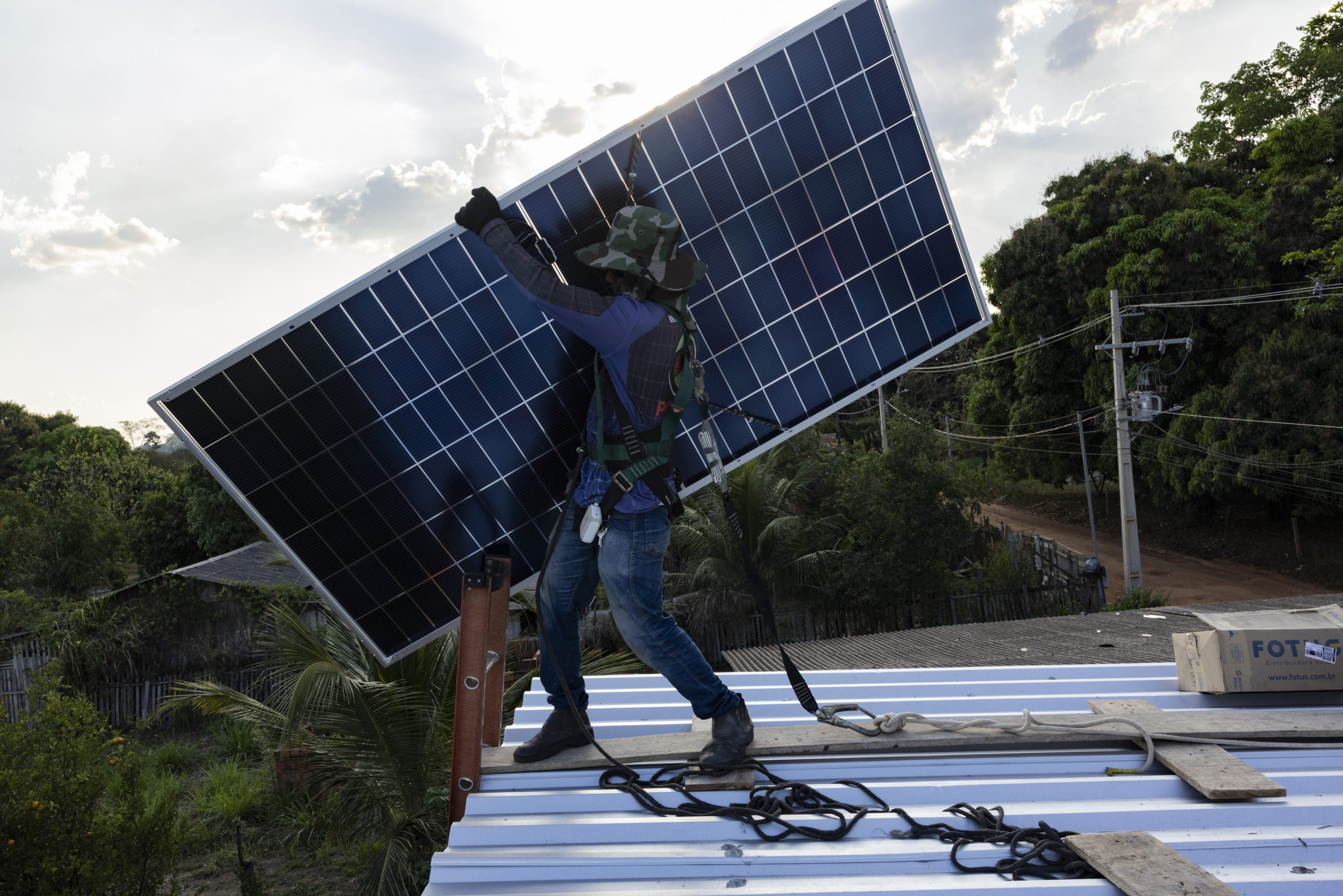
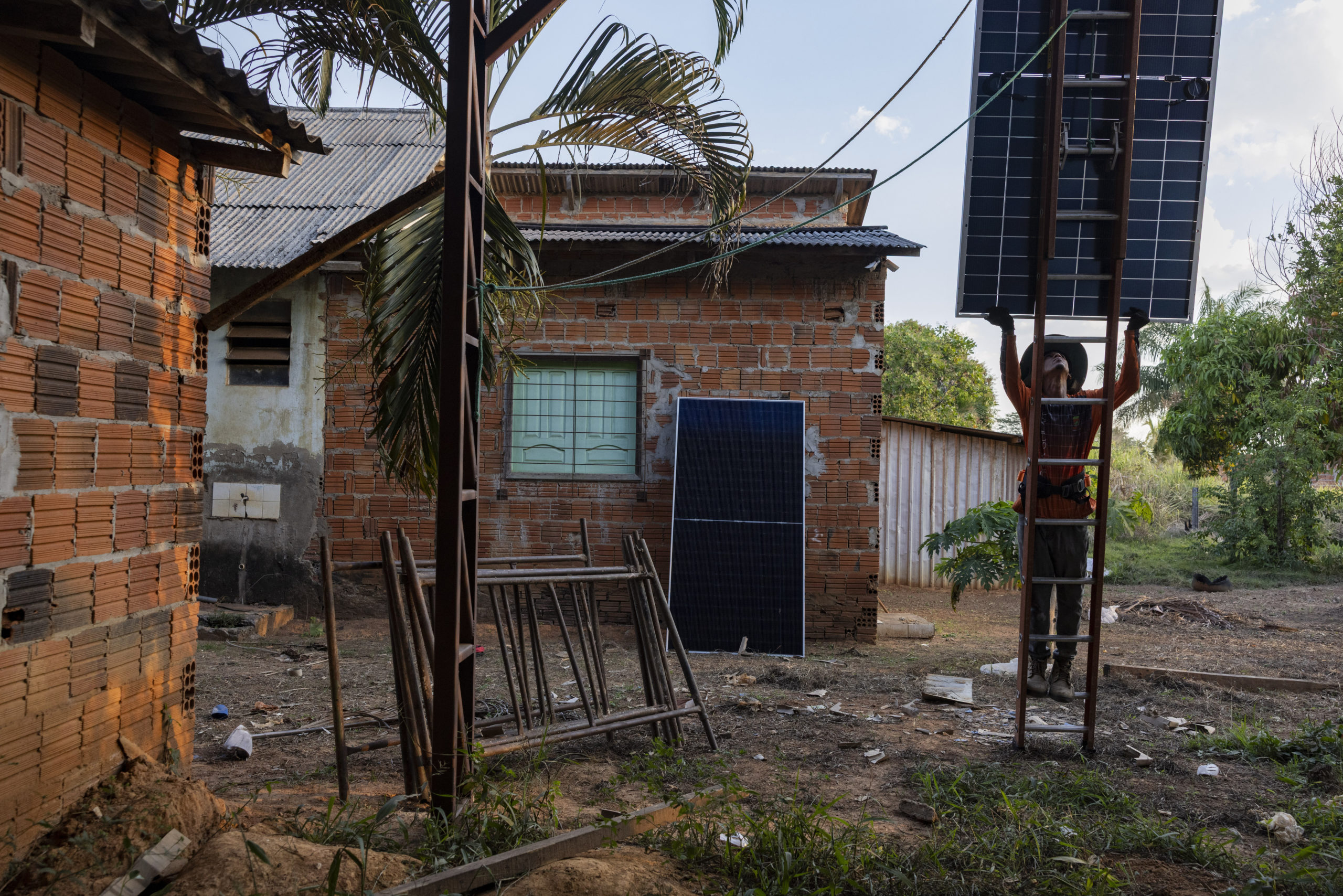
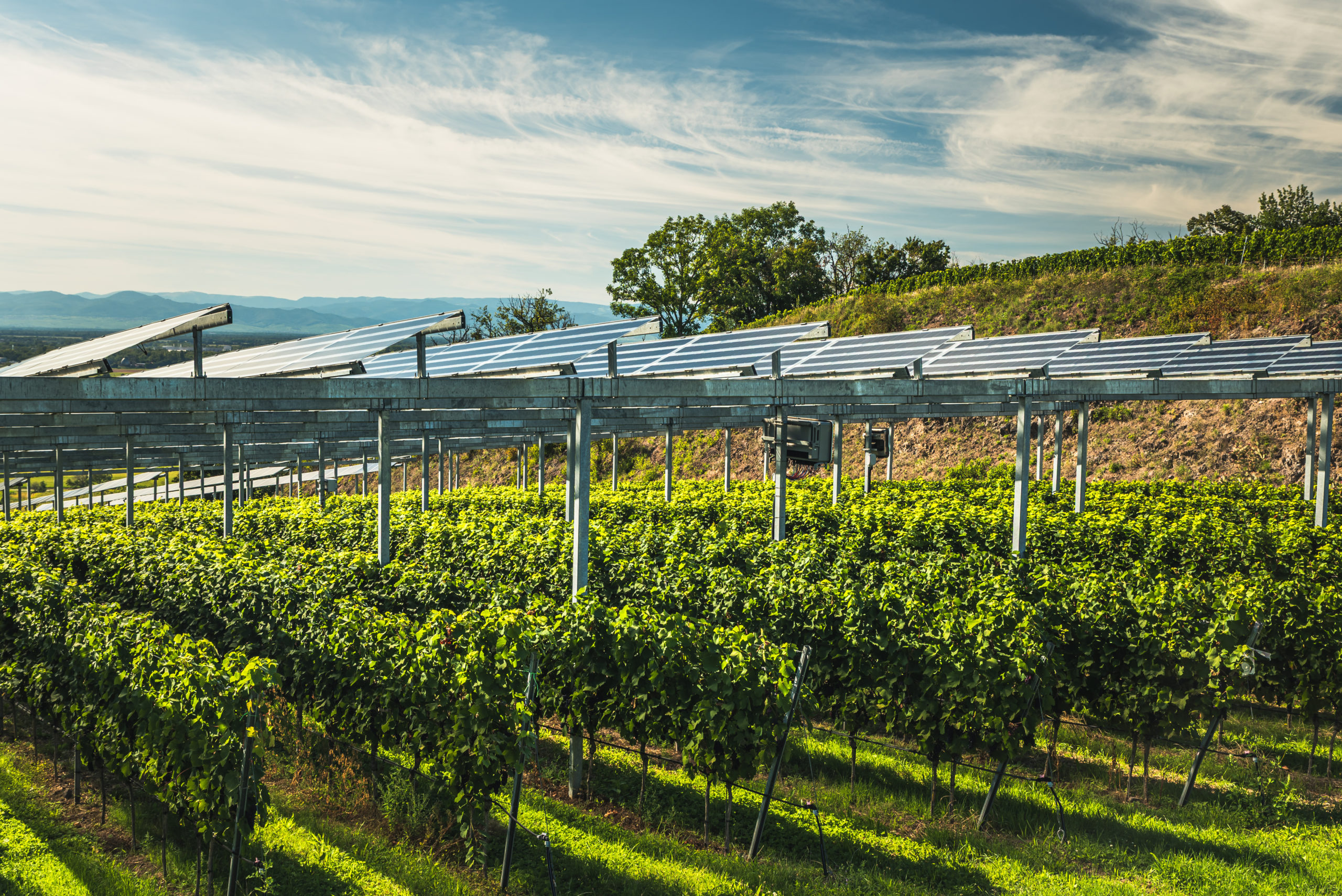
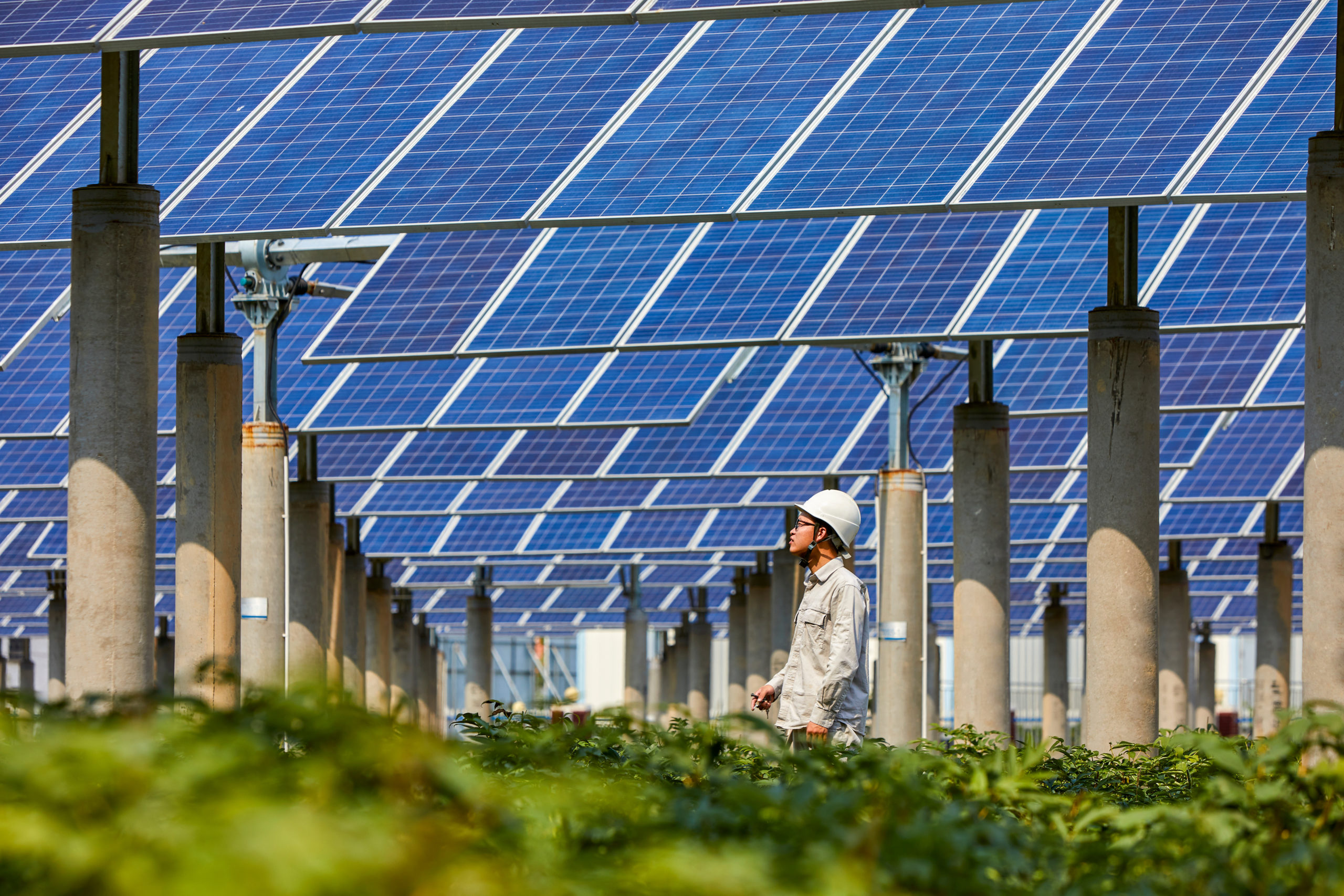
In Brazil, solar energy is powering sustainable rural development and advancing community-led climate solutions. In partnership with Instituto Clima e Sociedade (iCS) and the Centre for Sustainable Development at the University of Brasília, the project brings solar panels and agroecological systems to reform settlements in the semi-arid Caatinga region. This initiative not only generates reliable electricity but also supports rainwater collection and irrigation, laying the groundwork for resilient, community-led food systems.

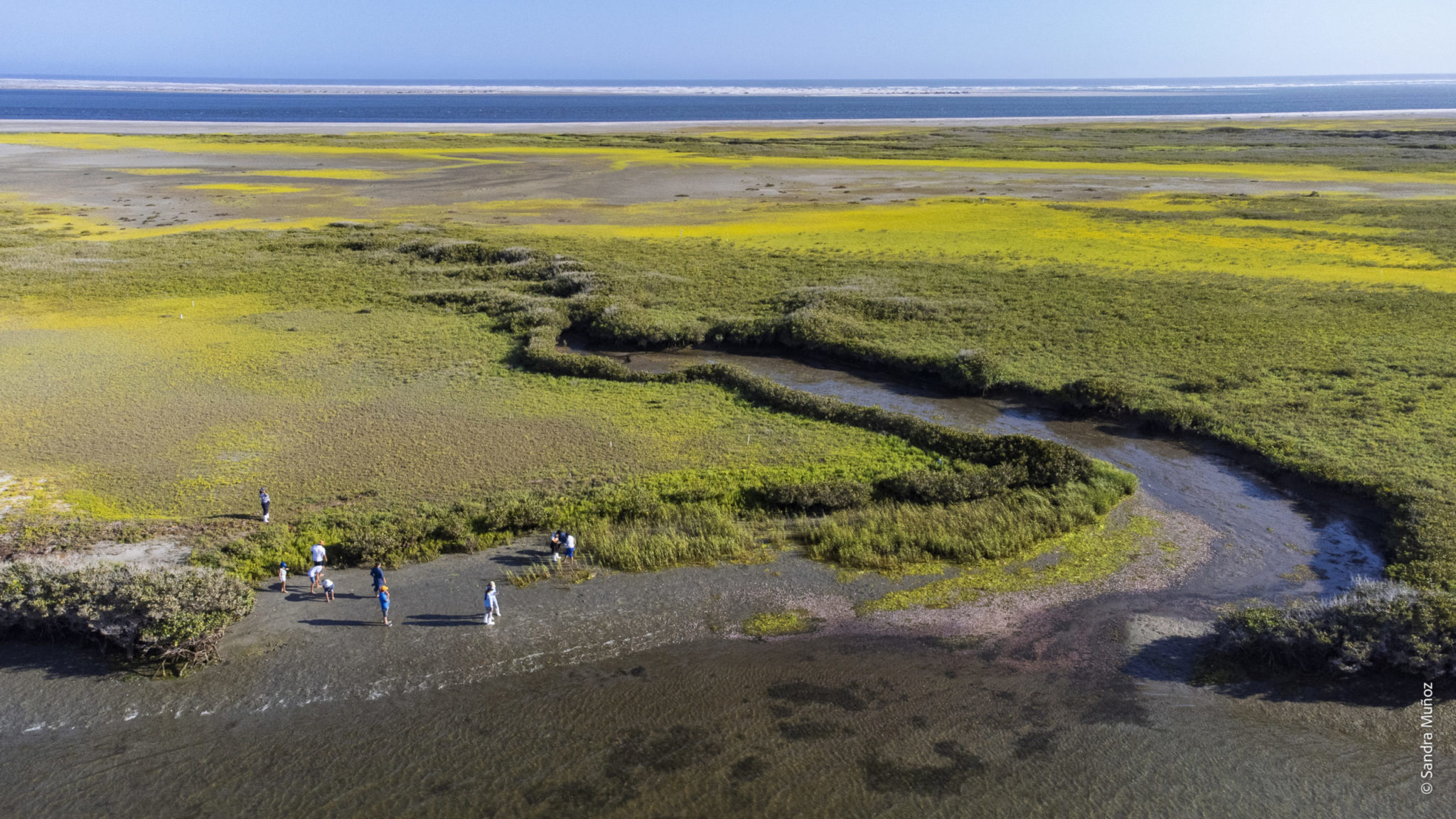
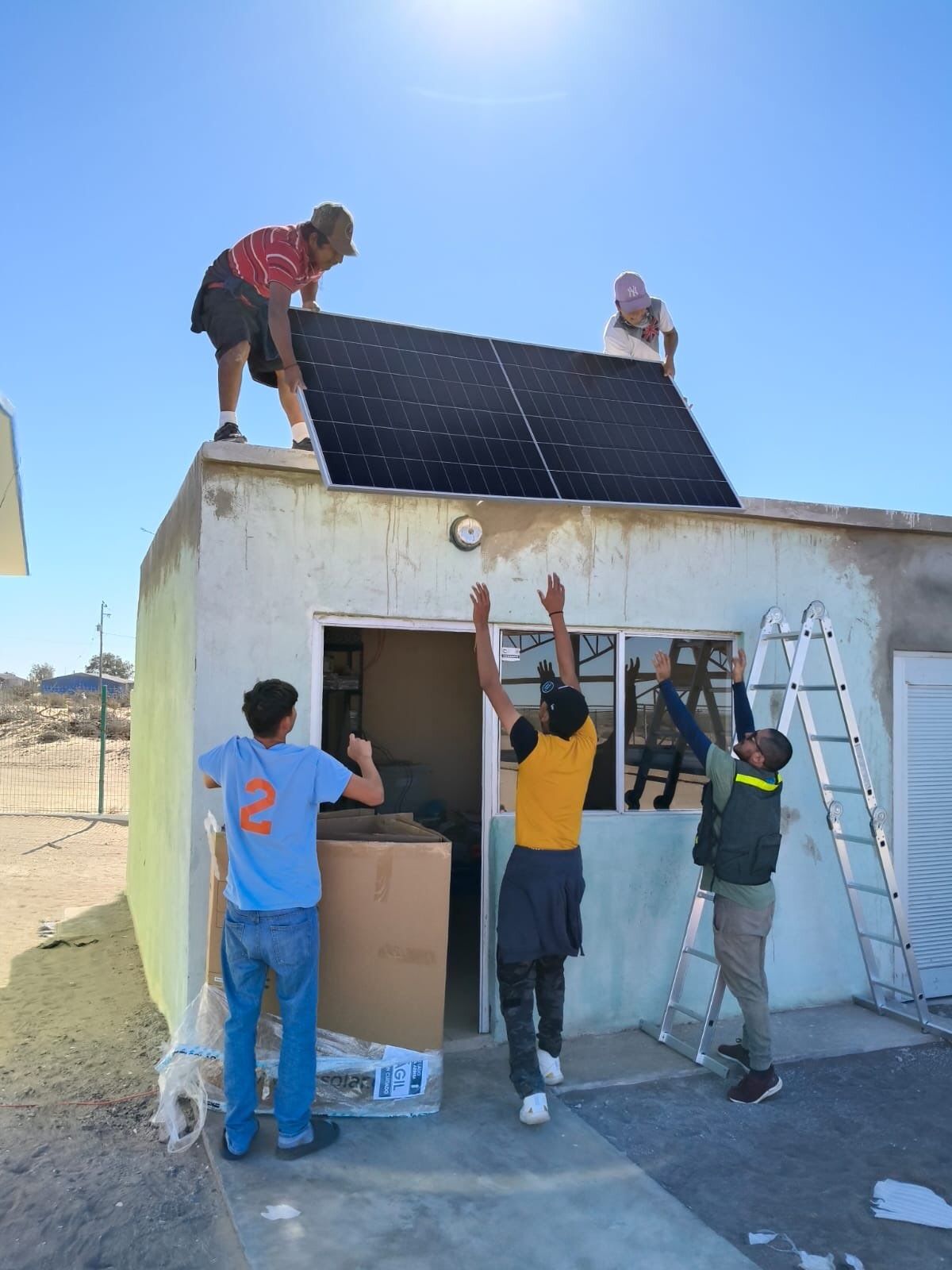
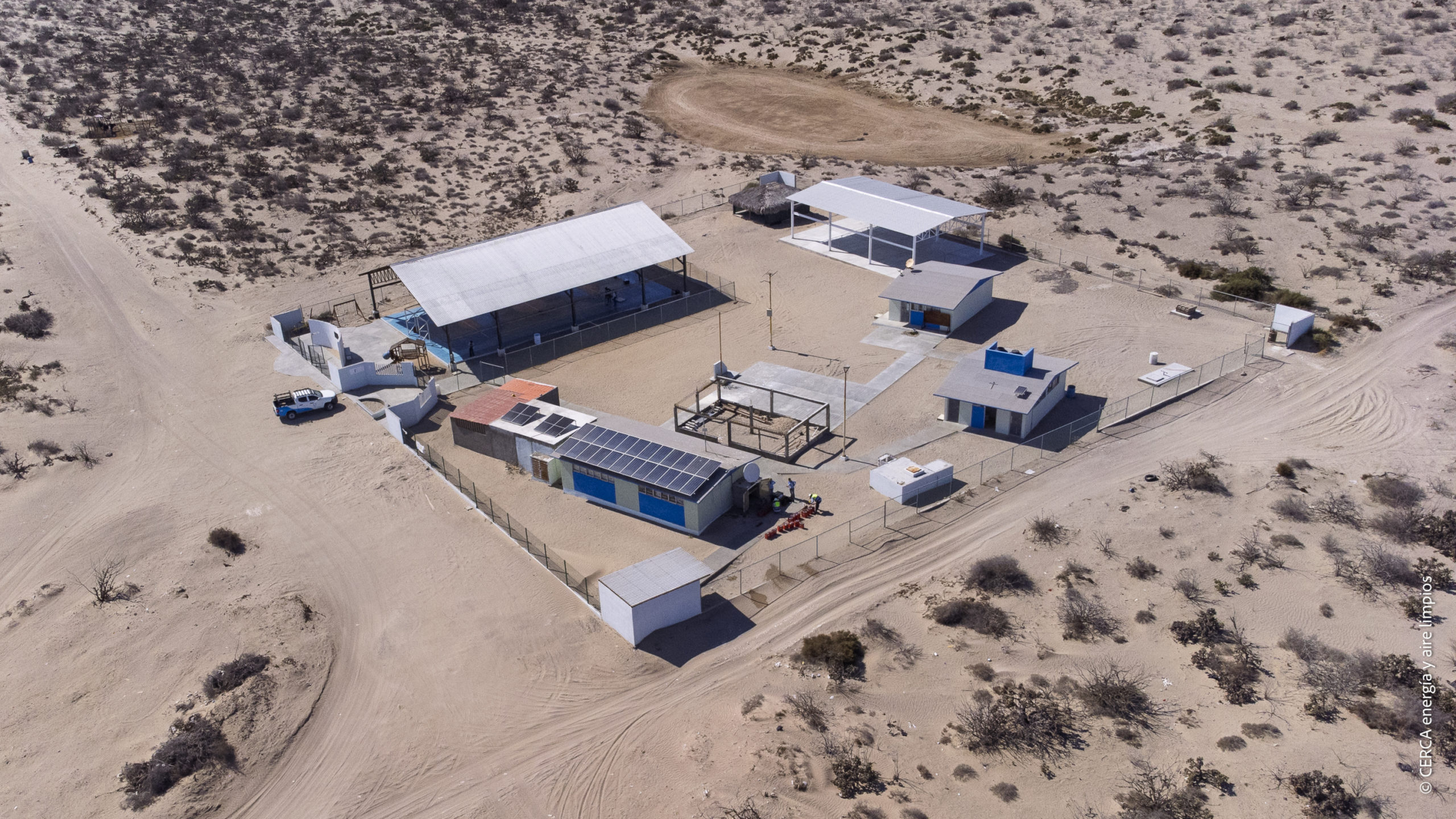
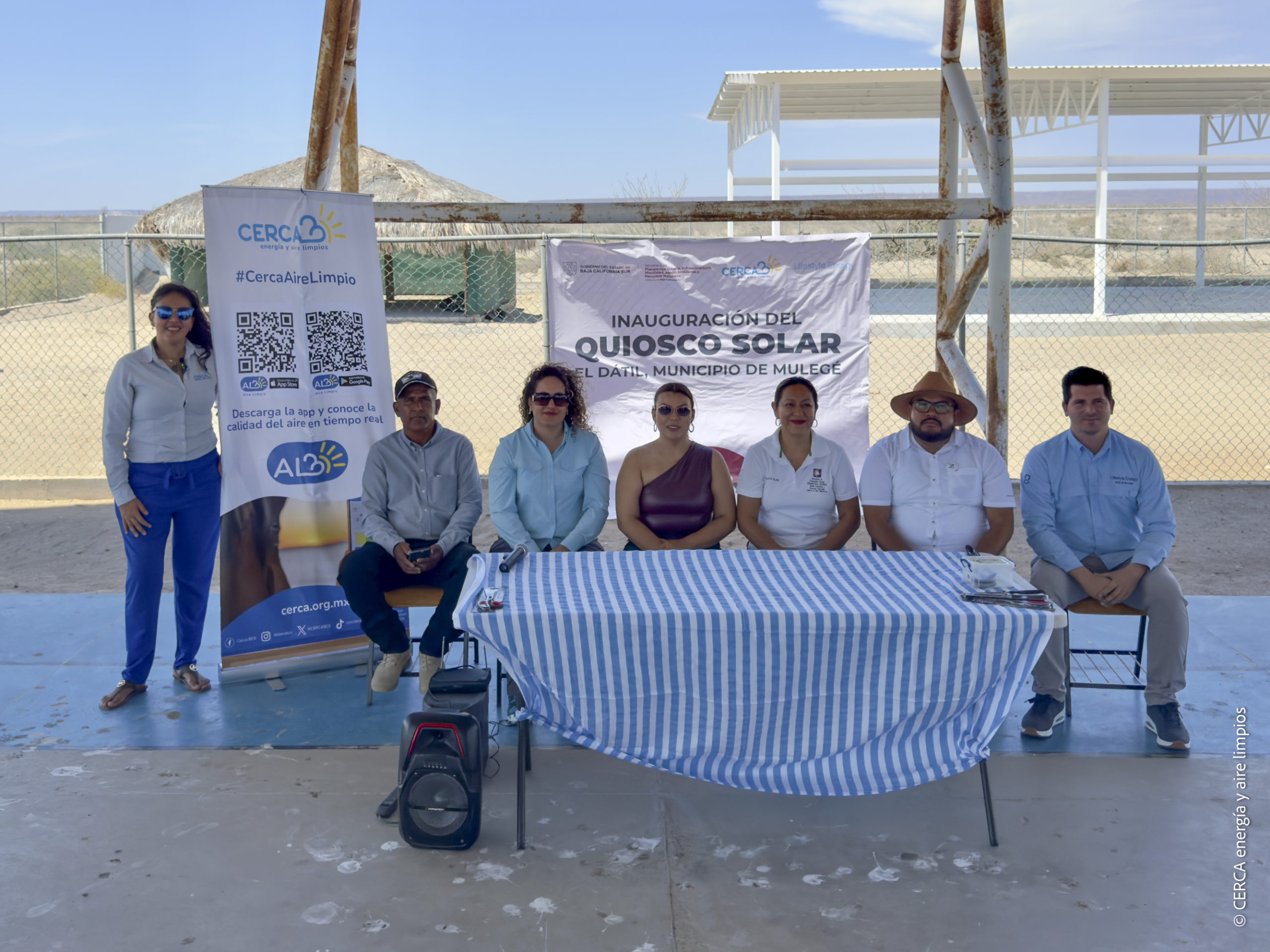
Meanwhile in Mexico, two communities in El Dátil’s desert region welcomed solar-powered kiosks in August 2025. Led by CERCA and supported by Iniciativa Climática de México (ICM), the project replaces costly, polluting diesel generators with clean, consistent solar power that provides essential electricity services in a harsh, off-grid environment. Following this launch, ICM is also working to implement two more kiosks in the communities of La Candelaria and San Luis Gonzaga, expanding access to clean energy across the region.

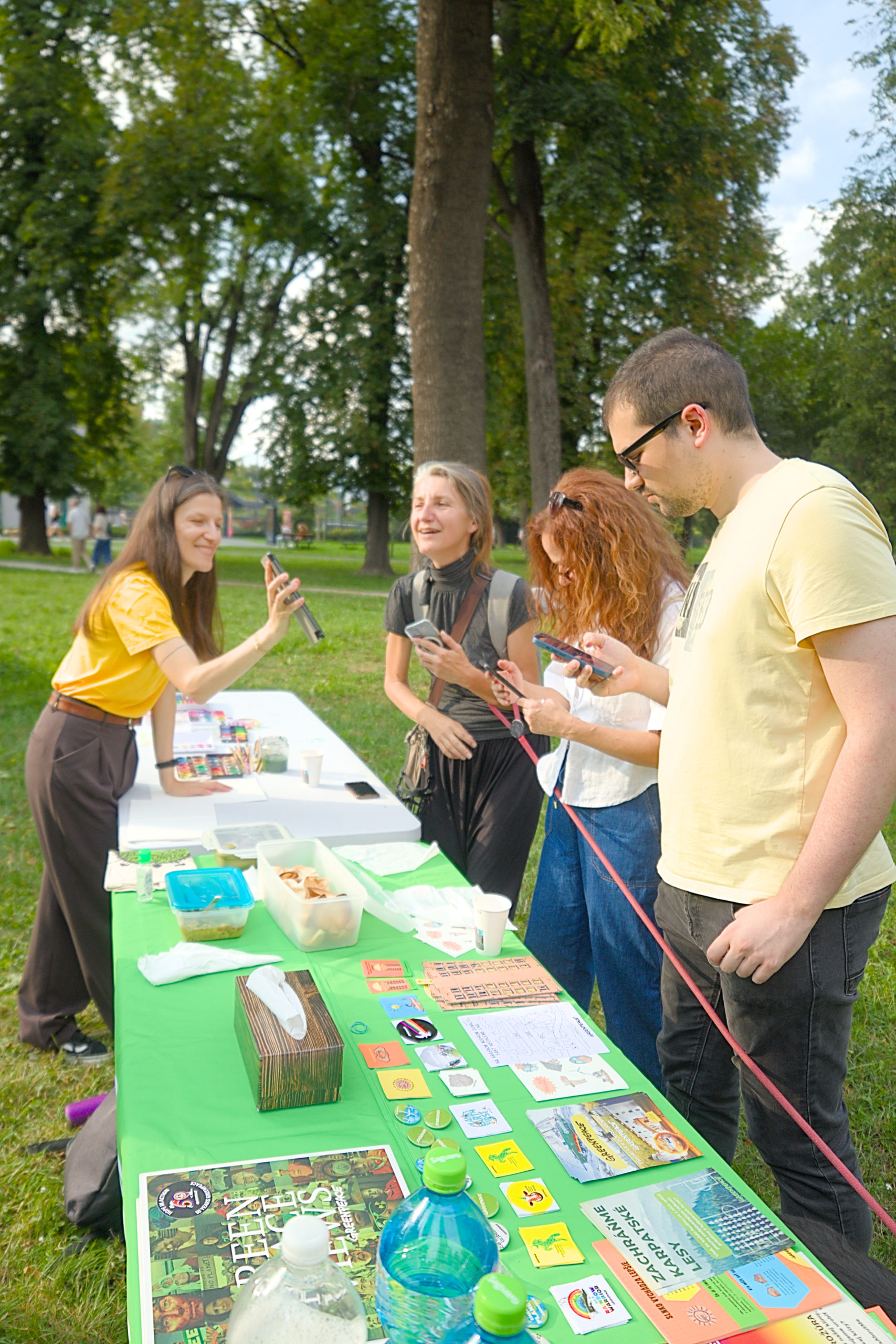
And across Europe, creative outreach and digital innovation are helping people see themselves in the energy transition. With support from the European Climate Foundation, Greenpeace teams in Slovakia and Romania are meeting people where they are and sparking curiosity about shared energy solutions through lively festivals and door-to-door campaigns reaching over 1,300 apartment blocks, raising awareness about energy communities and their benefits. At the same time, new tools like the Coopérnico Communities App are making local collaboration easier by connecting neighbours to co-create, manage, and share renewable energy projects within their communities.

The Impact

Whether it’s connecting neighbours through community energy, integrating solar panels with farming systems, or deploying microgrids in remote villages, these solutions are rooted in local realities and built for long-term impact. In every region where this work is underway, we’re seeing what’s possible when communities reclaim their energy futures.

In Brazil’s Northeast, rural families are turning sunlight into reliable power and opportunity. With agrivoltaics systems now powering homes and irrigating crops, communities are seeing reduced energy costs, improved food and water security, and new income from organic agriculture. Technical training ensures farmers can operate and maintain these systems independently, strengthening local ownership and long-term sustainability.

In Mexico’s Baja California Sur, new solar-powered kiosks are delivering reliable, clean energy for essential services like education and community gatherings These systems replace polluting fuel sources, cutting CO2 emissions, and they serve as a foundation for long-term resilience in one of Mexico’s most energy-challenged regions. More than just infrastructure, the kiosks reflect a shift in how energy access is approached: by building local capacity and encouraging community ownership, the initiative goes beyond restoring energy access and begins to reimagine it.

In Europe, communities are becoming active players in shaping their energy futures. Creative outreach has made energy cooperation tangible and relatable—turning renewable power from an abstract goal into everyday action. By connecting neighbours to produce, store, and share renewable energy, these efforts are helping people lower costs, build trust, and take ownership of their local systems. Together, these efforts are turning energy transition from a distant policy goal into something participatory, practical, and personal.

Until recently, these communities were dependent on unreliable energy sources that placed a heavy economic burden, particularly on rural and historically marginalized groups. Today, thanks to locally grounded efforts people are taking the lead in shaping their own energy futures.

These successes aren’t happening in isolation. They are part of a growing network supported by ReNew2030 and partners, where solutions are tested, shared, and adapted across borders. Peer learning and community-to-community exchange are fuelling a global movement grounded in local impact.

How Asia’s offshore wind sector is gaining momentum in 2025

How Asia’s offshore wind sector is gaining momentum in 2025

By Sharon Lo Deputy Director, Program Strategy & Insights, Tara Climate Foundation, Chair of ReNew2030’s Implementation Partners Council

Across Asia, momentum continues to grow around offshore wind and renewable energy development in 2025. Recent changes in regulatory frameworks, project planning approaches, and market mechanisms are helping unlock new opportunities for clean energy deployment in countries like Japan, South Korea, and the Philippines.

Tara Climate Foundation, a partner of ReNew2030, has been working with a broad group of organisations to shine a spotlight on offshore wind, making the case for its economic and social benefits, highlighting the vast potential across Asia, as well as providing technical expertise and support to help enable its potential to grow.

From expanded zones for offshore wind projects, to more coordinated permitting processes and large-scale energy auctions, new developments are creating a more supportive landscape for scaling clean energy infrastructure and advancing national energy transitions.

Japan: New Framework to Support Floating Offshore Wind Development

Japan has passed a long-anticipated bill paving the way for the development of floating offshore wind projects within its Exclusive Economic Zone (EEZ). The new framework, set to take effect by April 2026, introduces several measures that enable new wind energy projects, including designating development zones in the EEZ, a formal licensing structure, the establishment of a stakeholder consultation council, and a streamlined environmental assessment process led by the government. Earlier this month, the Japan government announced its industry vision for offshore wind, including a target to develop 15 GW of floating capacity by 2040. These developments mark a significant step forward in unlocking Japan’s offshore wind potential, following years of supportive policy engagement and technical dialogue by a range of stakeholders.

South Korea: Landmark “One Stop Shop” Policy to Streamline Offshore Wind Permitting

In a major boost for South Korea’s offshore wind ambitions, the National Assembly passed the Special Act on the Promotion of Offshore Wind Power in February 2025. Informally known as the “One Stop Shop Act,” the policy is designed to simplify the complex permitting and regulatory processes that have historically slowed down projects. By centralising and expediting approvals, the Act is expected to significantly reduce project timelines. South Korea has set a target of 40.7 GW of installed wind capacity by 2038, and the implementation of this new approach will be key to achieving that goal.

Philippines: Green Energy Auctions Accelerate Renewable Energy Capacity

The Philippines’ Green Energy Auction Program (GEAP) has emerged as a critical driver of renewable energy growth. Since its inception in 2022, nearly 12 GW of contracts have been awarded across three rounds. The auction in February 2025 attracted 7.5 GW worth of bids, exceeding its 4.6 GW target. Looking ahead, over 10 GW of solar and wind capacity are expected to be awarded in the next round (GEA-4) scheduled for September 2025. Notably, the announced GEA-5 will mark the country’s first auction dedicated solely to fixed-bottom offshore wind, offering 3.3 GW of capacity for delivery between 2028 and 2030. Efforts are underway to ensure auction designs support long-term bankability, including mechanisms to address inflation and currency risks, helping maximise the economic benefits and promote investment in wind power.

These recent developments show there is growing potential for offshore wind to deliver clean, reliable power at scale, supporting the region’s economic ambitions while contributing to long-term energy security and climate resilience.

Continued collaboration, investment and innovation are key to creating a thriving offshore wind sector.

Together with our partners from the ReNew2030 network, we can keep building towards a renewable transition that works for people in Asia, and around the world.