Author Archive

How Asia’s offshore wind sector is gaining momentum in 2025
How Asia’s offshore wind sector is gaining momentum in 2025

By Sharon Lo Deputy Director, Program Strategy & Insights, Tara Climate Foundation, Chair of ReNew2030’s Implementation Partners Council

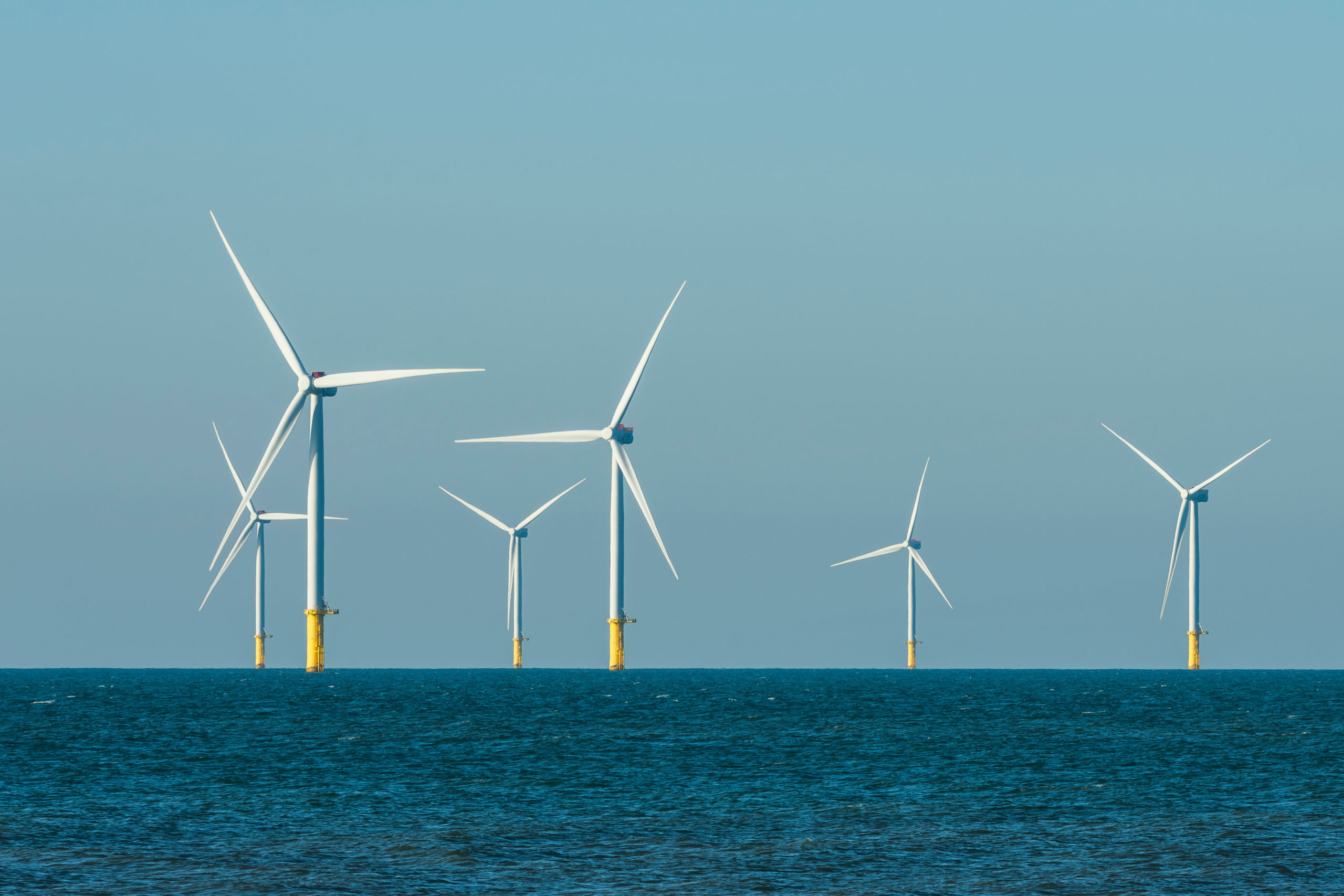
Across Asia, momentum continues to grow around offshore wind and renewable energy development in 2025. Recent changes in regulatory frameworks, project planning approaches, and market mechanisms are helping unlock new opportunities for clean energy deployment in countries like Japan, South Korea, and the Philippines.

Tara Climate Foundation, a partner of ReNew2030, has been working with a broad group of organisations to shine a spotlight on offshore wind, making the case for its economic and social benefits, highlighting the vast potential across Asia, as well as providing technical expertise and support to help enable its potential to grow.

From expanded zones for offshore wind projects, to more coordinated permitting processes and large-scale energy auctions, new developments are creating a more supportive landscape for scaling clean energy infrastructure and advancing national energy transitions.

Japan: New Framework to Support Floating Offshore Wind Development

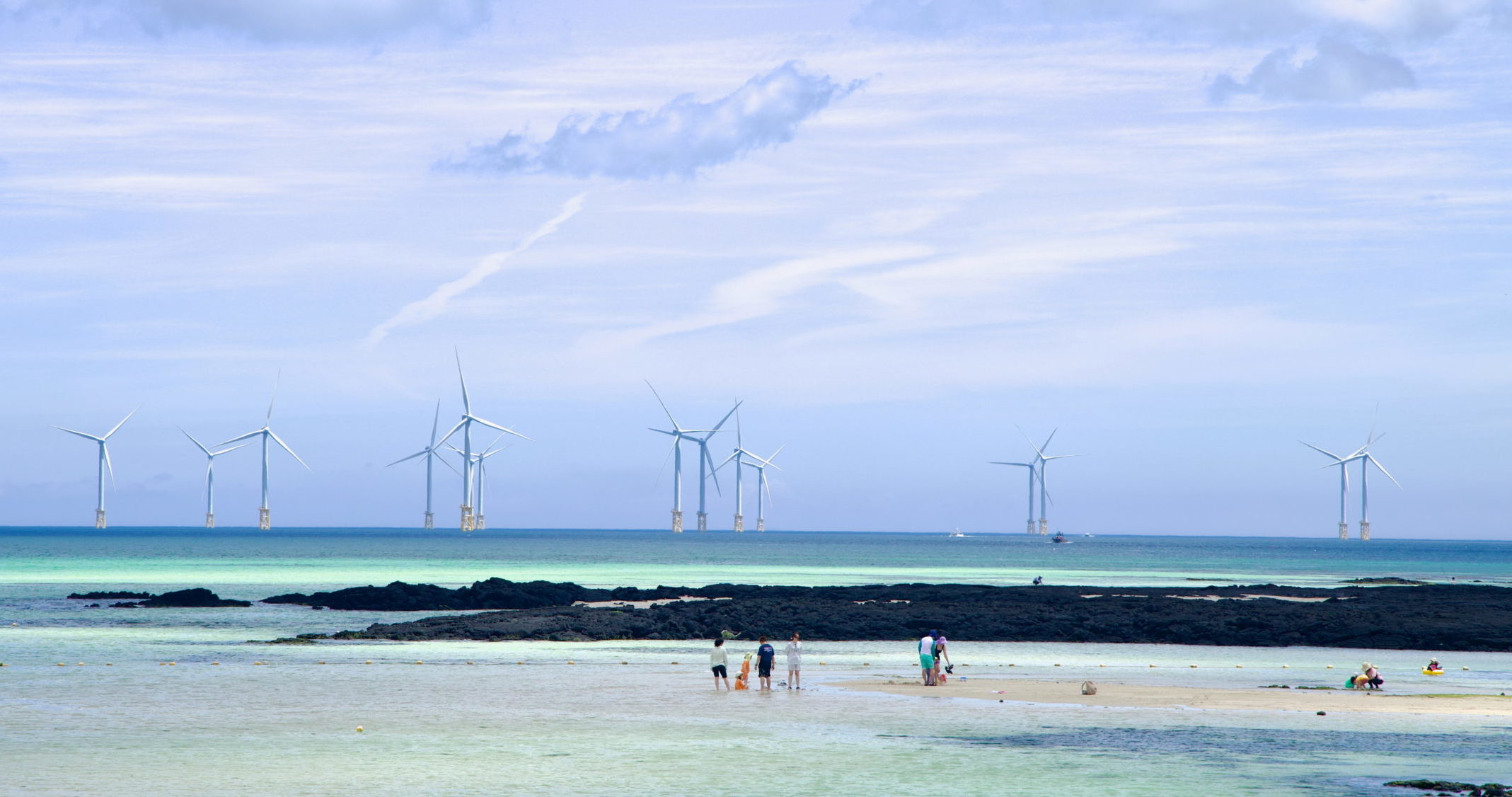
Japan has passed a long-anticipated bill paving the way for the development of floating offshore wind projects within its Exclusive Economic Zone (EEZ). The new framework, set to take effect by April 2026, introduces several measures that enable new wind energy projects, including designating development zones in the EEZ, a formal licensing structure, the establishment of a stakeholder consultation council, and a streamlined environmental assessment process led by the government. Earlier this month, the Japan government announced its industry vision for offshore wind, including a target to develop 15 GW of floating capacity by 2040. These developments mark a significant step forward in unlocking Japan’s offshore wind potential, following years of supportive policy engagement and technical dialogue by a range of stakeholders.

South Korea: Landmark “One Stop Shop” Policy to Streamline Offshore Wind Permitting

In a major boost for South Korea’s offshore wind ambitions, the National Assembly passed the Special Act on the Promotion of Offshore Wind Power in February 2025. Informally known as the “One Stop Shop Act,” the policy is designed to simplify the complex permitting and regulatory processes that have historically slowed down projects. By centralising and expediting approvals, the Act is expected to significantly reduce project timelines. South Korea has set a target of 40.7 GW of installed wind capacity by 2038, and the implementation of this new approach will be key to achieving that goal.

Philippines: Green Energy Auctions Accelerate Renewable Energy Capacity

The Philippines’ Green Energy Auction Program (GEAP) has emerged as a critical driver of renewable energy growth. Since its inception in 2022, nearly 12 GW of contracts have been awarded across three rounds. The auction in February 2025 attracted 7.5 GW worth of bids, exceeding its 4.6 GW target. Looking ahead, over 10 GW of solar and wind capacity are expected to be awarded in the next round (GEA-4) scheduled for September 2025. Notably, the announced GEA-5 will mark the country’s first auction dedicated solely to fixed-bottom offshore wind, offering 3.3 GW of capacity for delivery between 2028 and 2030. Efforts are underway to ensure auction designs support long-term bankability, including mechanisms to address inflation and currency risks, helping maximise the economic benefits and promote investment in wind power.

These recent developments show there is growing potential for offshore wind to deliver clean, reliable power at scale, supporting the region’s economic ambitions while contributing to long-term energy security and climate resilience.

Continued collaboration, investment and innovation are key to creating a thriving offshore wind sector.

Together with our partners from the ReNew2030 network, we can keep building towards a renewable transition that works for people in Asia, and around the world.
Modernising the grid: The missing link to scaling renewables

Modernising the grid: The missing link to scaling renewables

The world is making significant strides toward a clean energy future, but our electricity grids are stuck in the past. Unless we rapidly modernise grid infrastructure, the entire net zero vision is at risk.

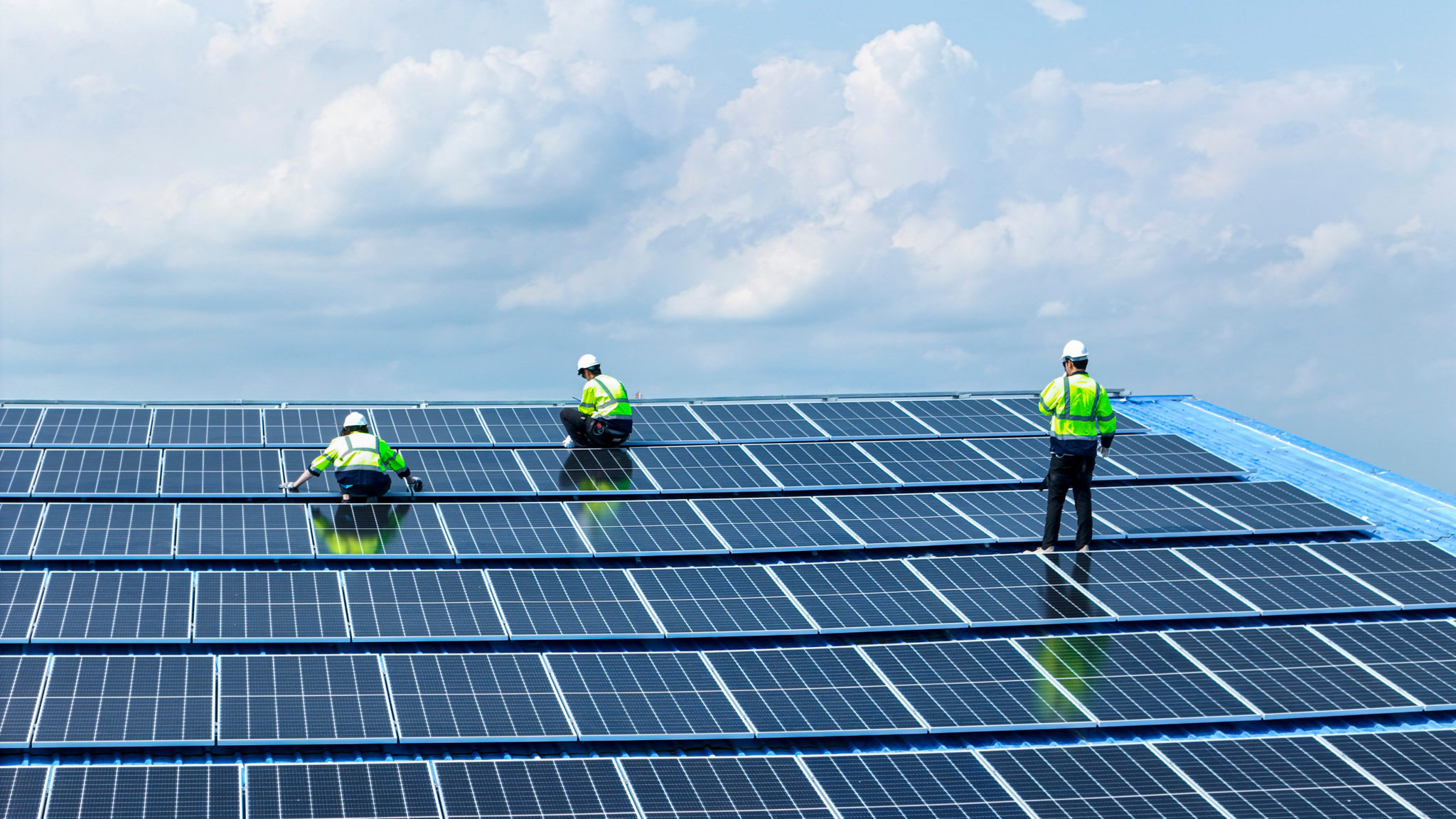
Outdated, underfunded, and overstretched, electricity grids have become one of the biggest barriers to scaling renewable energy. Wind and solar projects are being delayed or cancelled due to grid bottlenecks while curtailment – the intentional reduction of renewable energy output – is expected to rise in areas where grid flexibility and storage capacity remain limited. Modern, resilient grids are essential for economic and social development, and for protecting communities from climate impacts like heatwaves, wildfires and floods. Despite growing investments, regional disparities and infrastructure gaps risk leaving some communities behind in the energy transition.

But solutions exist and philanthropy has an important role to play in modernising the grid infrastructure. Over 60 countries and 100 non-state actors have signed the Global Energy Storage and Grids Pledge, committing to add or refurbish 25 million kilometres of grids by 2030. At ReNew2030, we believe that philanthropy is uniquely placed to accelerate grid modernisation. By unlocking investment, streamlining policies, and supporting regulatory reforms and local capacity building, we can help turn electricity grids into the backbone of the clean energy transition.
Through conversations with experts and partners in the sector, we identified key barriers to progress and explored how philanthropy can be a powerful catalyst for change.

What are the key challenges to grid modernisation?

Lengthy regulatory processes

Planning and approval for grid projects is often slow and complex and in some cases takes up to a decade. Complex permitting requirements, environmental assessments, and stakeholder consultations can create bottlenecks that slow down project development. These delays not only hinder the integration of renewable energy but also impact grid reliability and resilience.

Current regulatory frameworks often lack the flexibility to support rapid investment and innovation in grid infrastructure. Streamlining these processes, while maintaining robust oversight, is crucial to building a modern, resilient, and renewable-ready grid.

Philanthropy can play a critical role in accelerating regulatory reform through policy engagement and public education. Raising awareness of the urgent need and broad benefits of grid modernisation is key. By funding research and engaging with policymakers, philanthropic organisations can help shape policies, encourage investment, and support faster, more effective approval processes.

Unlocking investment

Modernising the grid is one of the most critical – and complex – challenges in the transition to renewable energy. The need to expand and upgrade aging infrastructure while integrating variable renewable energy sources is well established. Yet the sheer scale of investment – estimated at USD 717 billion annually through 2030, combined with regulatory fragmentation, uncertain financial returns and market design barriers, continues to hold back private capital.

This investment gap is especially stark in the Global South, where the urgent need to expand and modernise transmission and distribution infrastructure poses a significant hurdle to achieving energy transition goals.

While advanced economies grapple with modernising their aging grid infrastructure, some developing economies are still laying the foundations for their power systems. This makes grid investment not only a matter of modernisation, but a cornerstone of development, resilience and energy equity.

To bridge this gap, philanthropic capital can play a catalytic role. By funding early-stage pilots, strengthening institutional and technical capacity, supporting research, and addressing market failures – particularly in regions facing persistent investment gaps, philanthropy can help de-risk innovation and attract commercial investment.

The power of philanthropy

Equipping local actors with the skills and tools to design, manage, and maintain future-ready grids is essential. This includes workforce development and technical education, alongside support for the digital transformation of electricity systems — ensuring they are smart, adaptive, and capable of balancing supply and demand in real time.

Philanthropy can play a transformative role in accelerating grid expansion and modernisation – bridging gaps often left by governments and private investors.

By catalysing progress, de-risking innovation, and strengthening institutional capacity, philanthropy can help deliver a just, inclusive and sustainable clean energy future.