What six months after COP30 reveals about turning progress into lasting change
After hosting the world’s largest climate summit, ReNew2030 partner Instituto Clima e Sociedade reflects on why philanthropy, partnerships and local leadership remain essential to accelerating the energy transition
When Brazil hosted COP30, global attention focused on commitments and renewed momentum for the energy transition. As preparations begin for COP31 in Antalya, another question is coming to focus: what does it take to turn that momentum into lasting economic, industrial and social transformation?
Across the ReNew2030, partners are working to accelerate the renewable energy deployment in very different contexts.Yet many are navigating similar challenges: how to move from commitments to implementation, how to build support, and how to ensure that the benefits of the transition are widely shared. While solutions differ by geography, experiences from one region increasingly help inform approaches elsewhere.
To explore this, we invited Instituto Clima e Sociedade (iCS) to reflect on what six months of implementation after COP30 reveal about the role of philanthropy in enabling long-term change. While rooted in Brazil’s experience, the lessons speak broader questions facing energy transitions everywhere: how to build institutions, strengthen partnerships and sustain beyond moments of political attention.
By Victoria Santos, Energy and Industry Manager at iCS
Brazil entered COP30 with many of the ingredients needed for a successful energy transition: abundant renewable resources, one of the cleanest electricity systems in the world, and growing interest in clean industrial development. What has become increasingly clear, however, is that progress depends as much on institutions, partnerships and public support as it does on renewable resources.
At iCS, we have seen that the strongest results emerge when the transition is embedded within a broader development strategy—one that gives communities a stake in the outcomes, equips governments to attract investment and provides businesses with confidence in the direction of travel.
Delivering that kind of long-term change requires more than project implementation. It requires sustained philanthropic support that can convene unlikely partners, test new approaches, build institutional capacity, and reduce the risks that can often deter public and private investment.
Markets are often reluctant to back unproven approaches, while governments are frequently constrained by political and budget limitations. Philanthropy can invest in evidence, partnerships and experimentation long before solutions are ready to scale. Though less visible than infrastructure or policy, these investments often determine whether promising ideas become broader drivers of change.
Much of our work focuses on building that foundation.
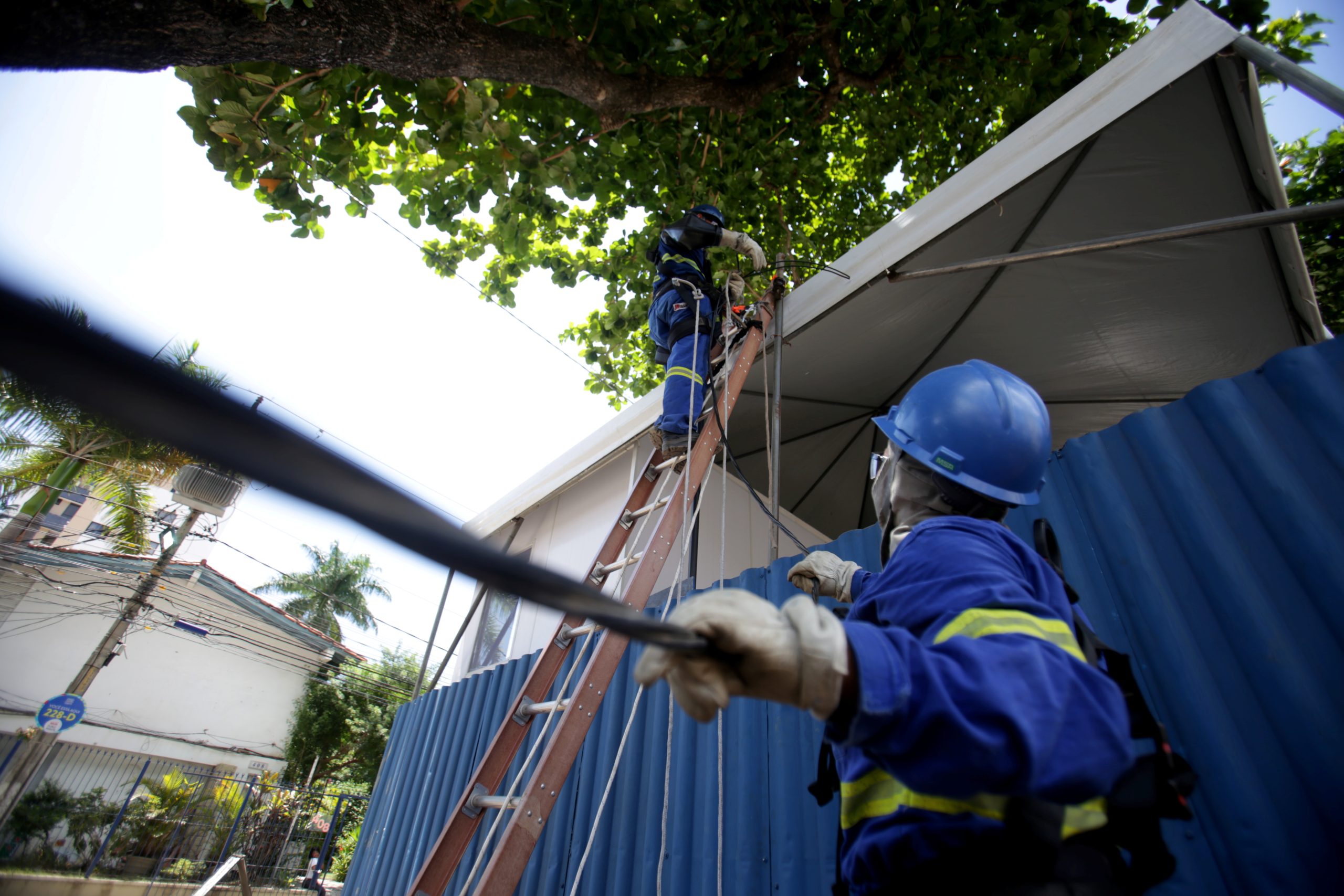
One encouraging sign is the growing alignment between Brazil’s electricity sector and the wider business community. At the national level, the Electricity Sector Coalition—an initiative inspired by iCS—brings companies and industry associations around a shared commitment to maintain an electricity mix with at least 90% renewable sources by 2050. Complementing this, the Powershoring Forum—a partnership between iCS, the Consortium of Northeast Governors and Banco do Brasil—helps connect renewable energy investment with regional industrial development. By creating these spaces where government, industry and civil society can engage around common priorities, these initiatives help ensure that renewable energy deployment delivers benefits beyond decarbonisation, including economic opportunity, industrial competitiveness and regional development.
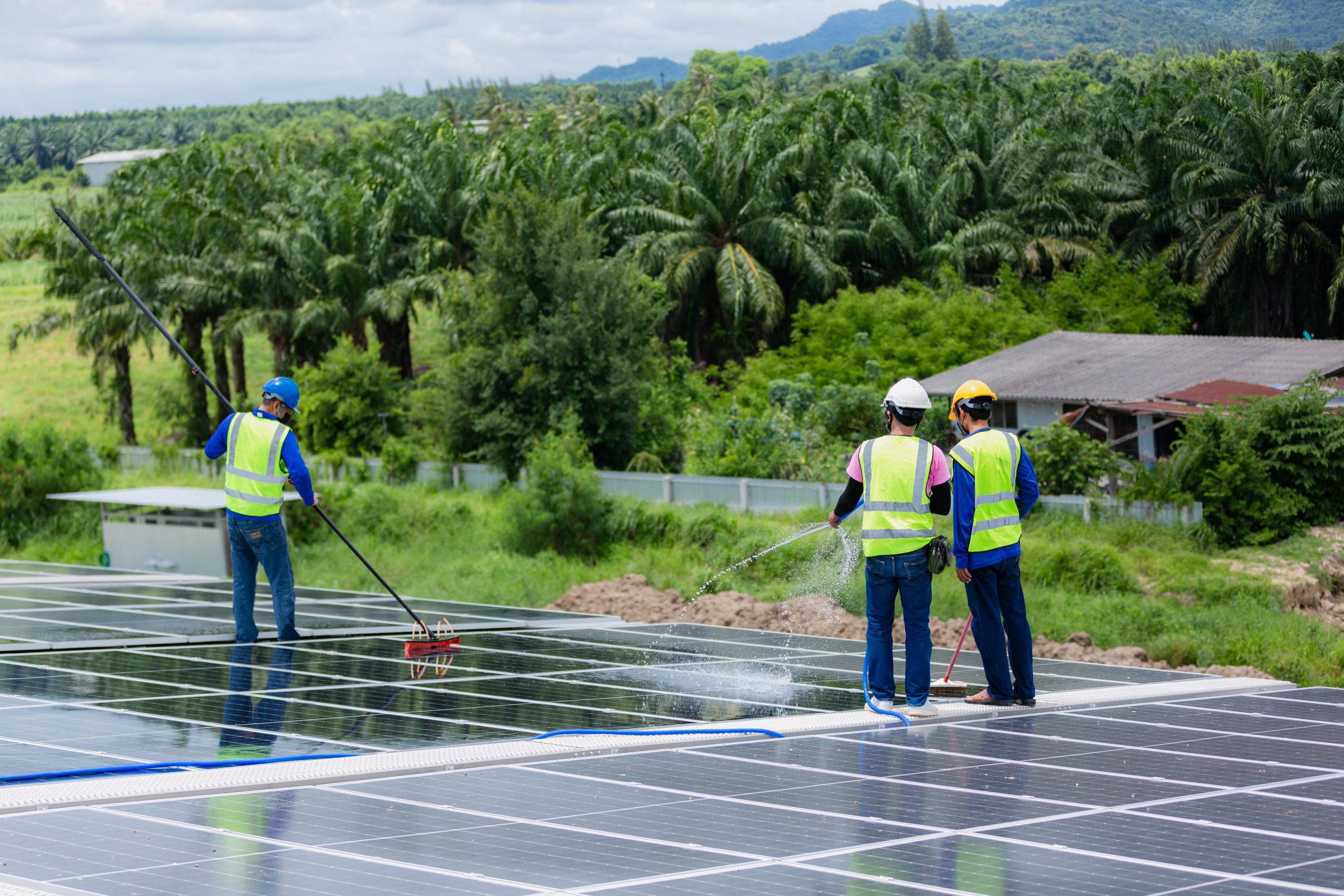
At the local level, ReNew2030-supported initiatives are demonstrating how renewable energy projects can be designed to deliver inclusive benefits. Labsolar, developed by the Centro de Desenvolvimento Sustentável (CDS) at the Universidade de Brasília (UnB), combines solar generation with agricultural production while creating opportunities for technical training, women’s leadership and local entrepreneurship. The project is also translatimg implementation experience into recommendations for public policies that can democratise access to energy.
Similarly, Energia do Roçado, led by Gaia Social, integrates renewable energy, water management, agroecological production and ecosystem restoration across the semi-arid region of Bahia. Beyond its direct local benefits, the initiative is generating practical evidence on approaches that can inform that can be adapted and scaled elsewhere.
Together, they demonstrate what becomes possible when philanthropy invests not only in projects, but also in the partnerships, institutions, and community participation that allow change to endure—showing that renewable energy initiatives can create value far beyond electricity generation when communities are active participants in shaping solutions.
These conversations resonate across the ReNew2030 coalition. Partners from Africa, Europe and Asia consistently highlight trust, local leadership and institutional capacity as essential to lasting impact, alongside thoughtful approaches to land use, social acceptance and deployment. While every solution is shaped by its local context, the coalition’s shared learning helps uncover common challenges, amplify emerging approaches and turn local insights into lessons that can drive progress far beyond their place of origin.
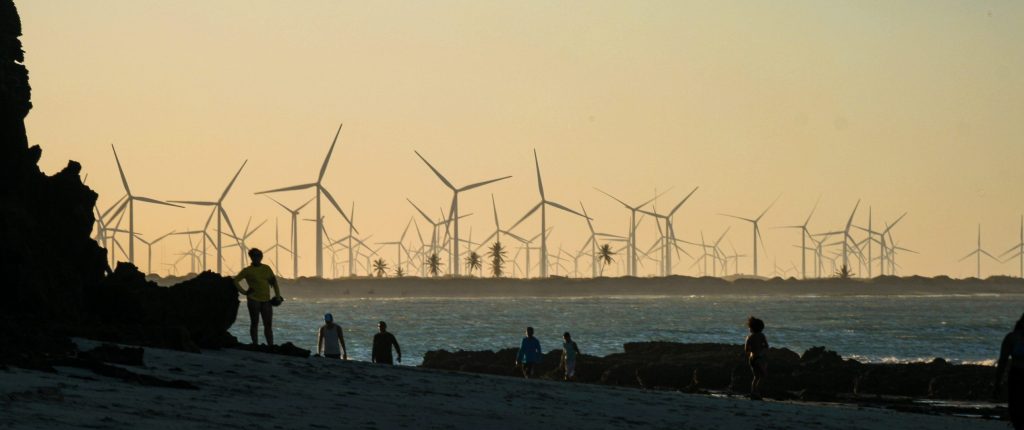
As preparations for COP31 gather pace, Brazil’s experience offers a useful reminder. Major climate summits play an essential role in raising ambition and mobilising action. Their lasting impact, however, is determined by what happens between them: the partnerships that endure, the institutions that evolve and the communities that help shape what the transition looks like in practice.
For philanthropy, the opportunity ahead is equally clear. Beyond supporting individual projects, there is a growing need to invest in the ecosystems that allow solutions to take root, adapt and scale. Those efforts may be less visible, but they are often where lasting progress begins.