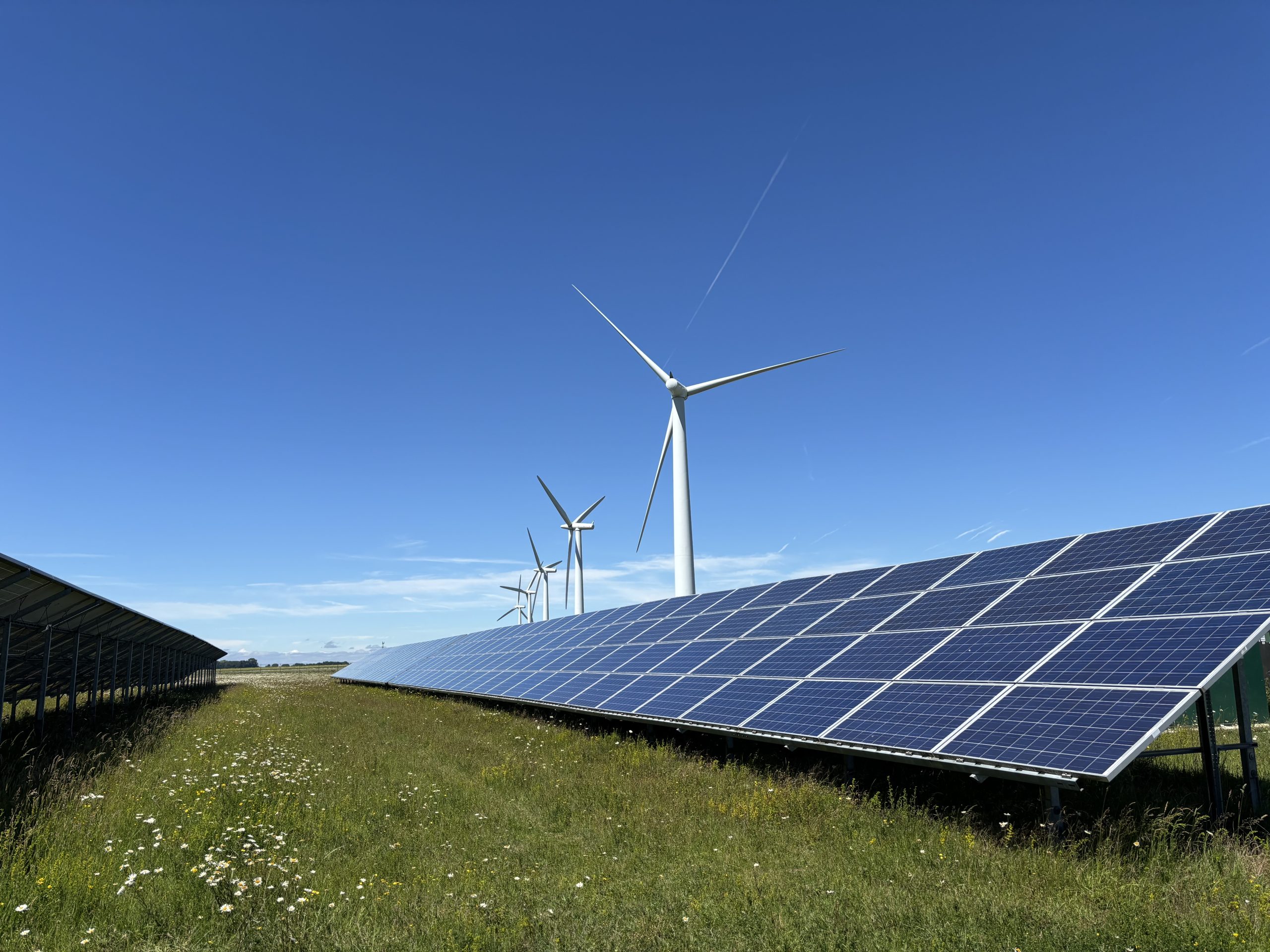
Beyond projects: How ReNew2030 turns local experience into greater impact
Exploring how learning, collaboration and philanthropy help renewable energy solutions achieve broader impact across different contexts
Renewable energy solutions do not scale simply because promising initiatives exist. They scale when the experience, insights and lessons behind them can inform action beyond a single project, organisation or geography. Yet too often, valuable knowledge remains isolated within specific contexts. ReNew2030 was created to help bridge that gap.
By connecting regional climate foundations with organisations advancing solutions on the ground, ReNew2030 creates opportunities for learning to move across regions. The aim is not just to share examples, but to explore what sits behind them: what makes approaches work, what challenges had to be overcome, and what aspects may be relevant elsewhere.
In doing so, local experience becomes a resource that can inform stronger strategies, more effective investments and greater impact across the coalition.
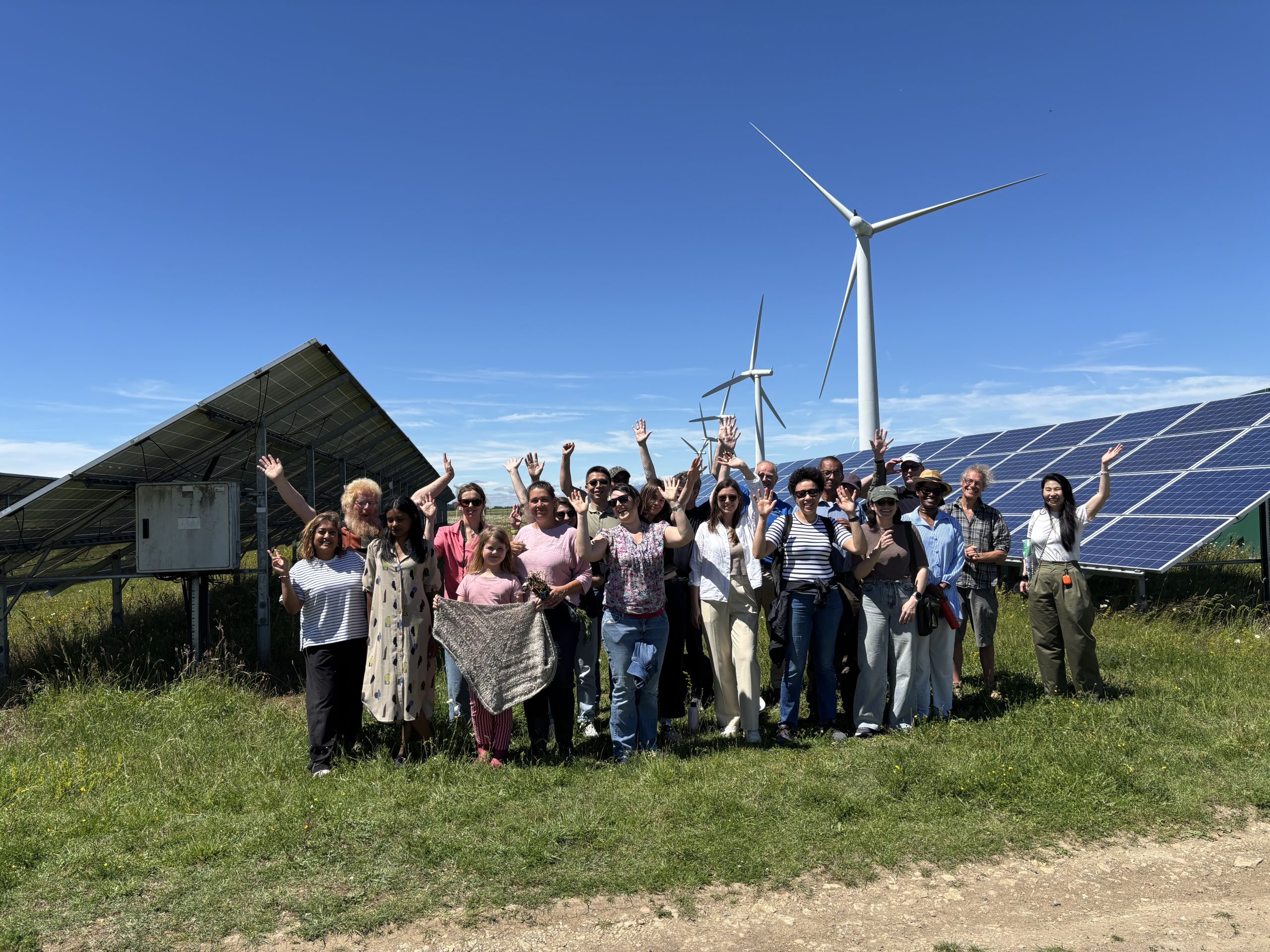
A recent learning exchange in the United Kingdom (UK), hosted with the European Climate Foundation (ECF), illustrates how this approach works in practice.
The exchange included visits to Westmill Energy Co-Operative in Oxfordshire and a community energy initiative supported by Repowering London in Newham. Through these visits and discussions, coalition partners explored community energy models that generate local economic value, broaden participation in renewable energy and strengthen local ownership of the energy transition. But the projects themselves were not the primary focus. The real value lay in examining the conditions that made them possible and how those lessons resonate with experiences from other regions.
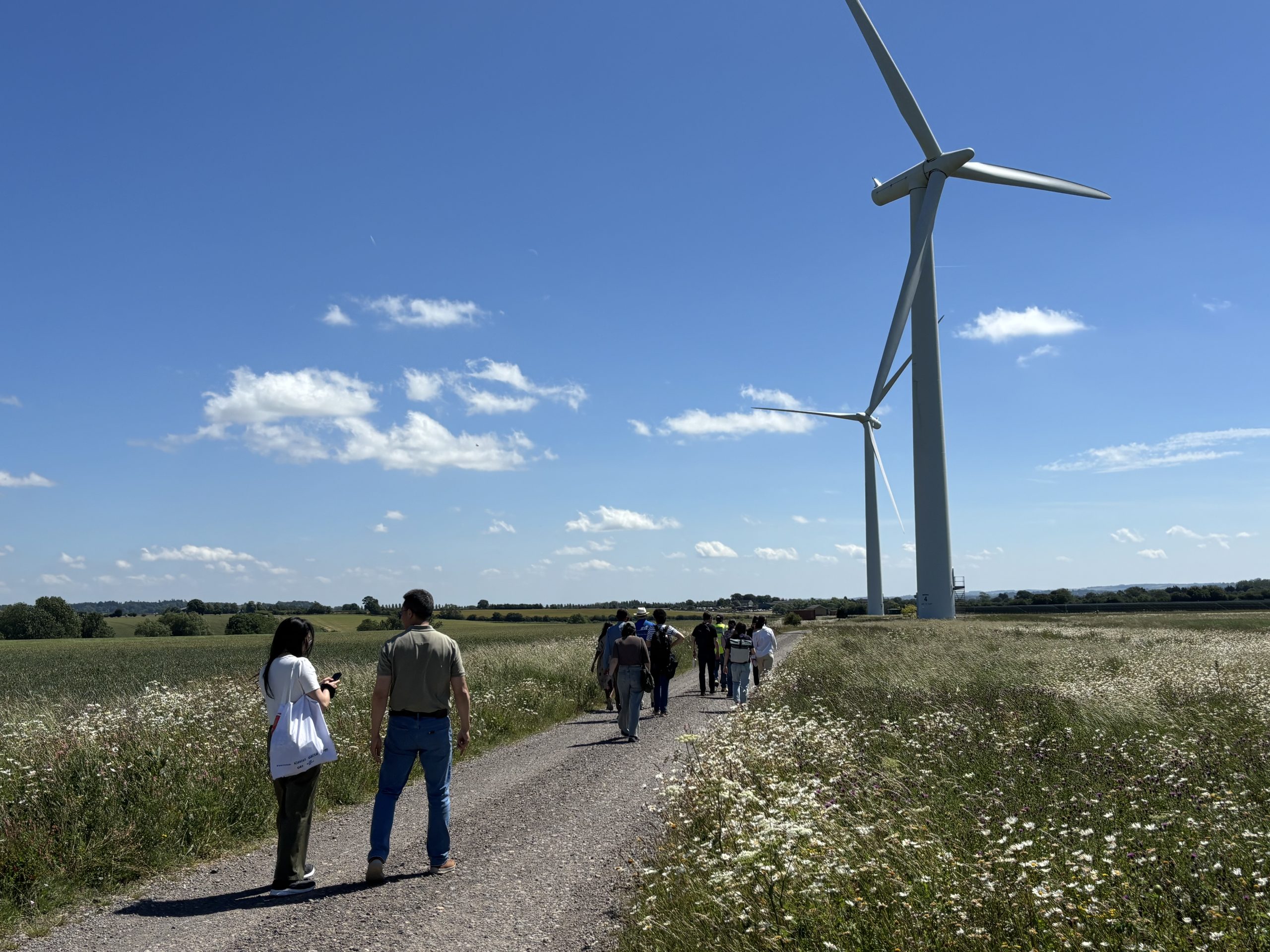
Community energy is often discussed in terms of infrastructure, ownership models or financing mechanisms. Yet a clear message emerged from both the site visits and partner discussions: successful initiatives depend on much more than just renewable energy assets. They depend on trust, local leadership, supportive institutions, long-term commitment and access to finance during the early stages of development.
Across the exchange, four enabling factors consistently emerged:
These are not unique to the UK. They are the conditions that often determine whether renewable energy solutions can move from ambition to implementation. They also reinforce the importance of philanthropy in enabling cross-regional collaboration, shared learning and the conditions needed to develop, adapt and expand effective approaches.
“What stands out is how long it takes to build something like this—not just the infrastructure, but the trust behind it. It reinforces the role that sustained support, including philanthropic capital, plays in getting these models off the ground.” — African Climate Foundation
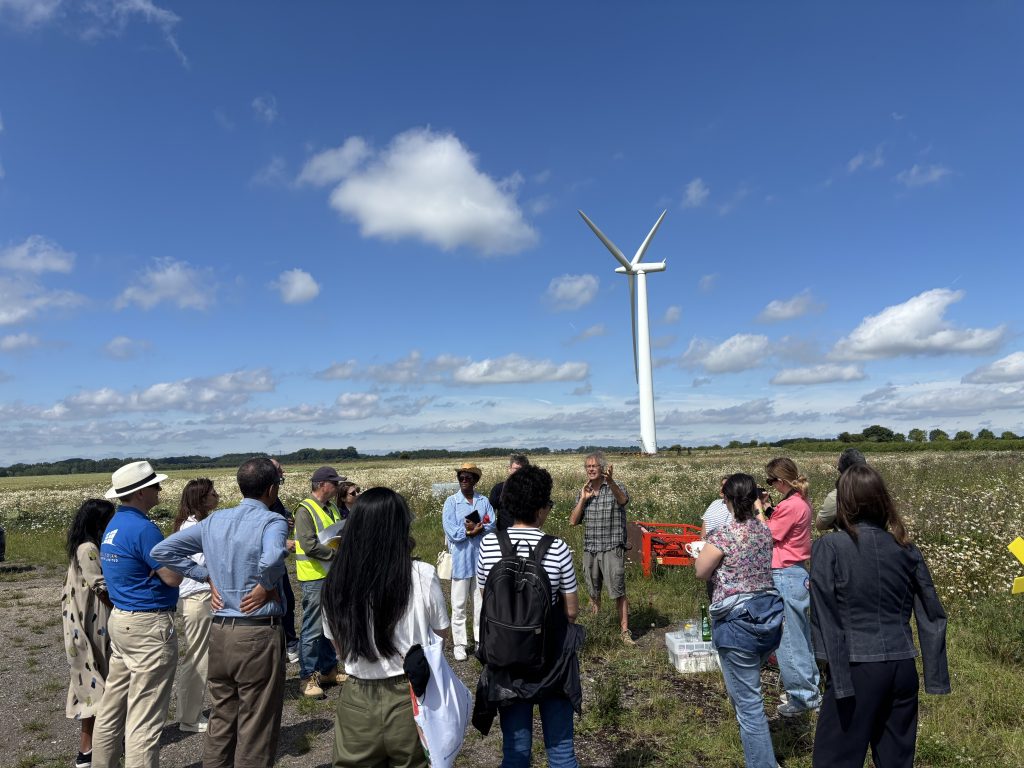
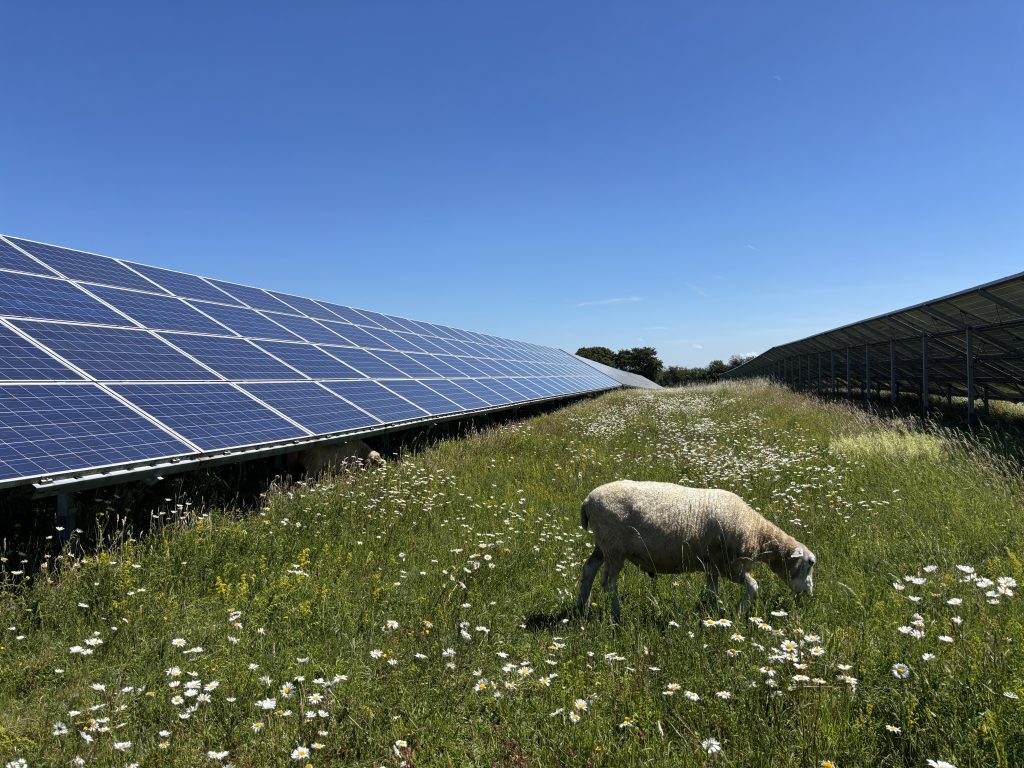
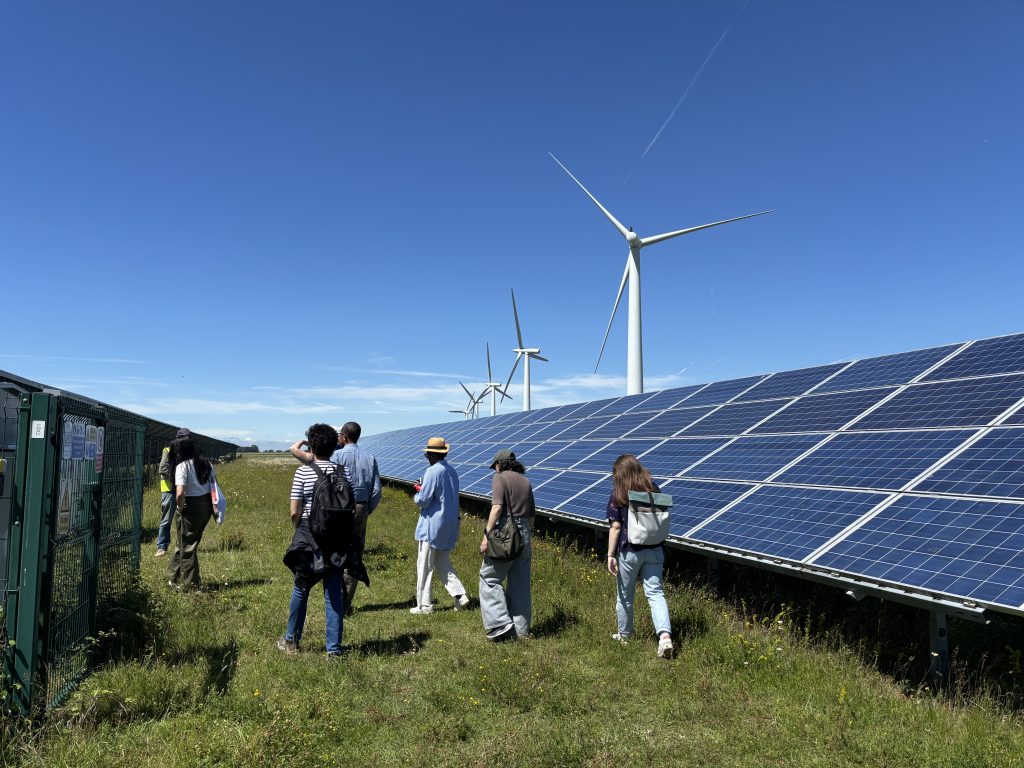
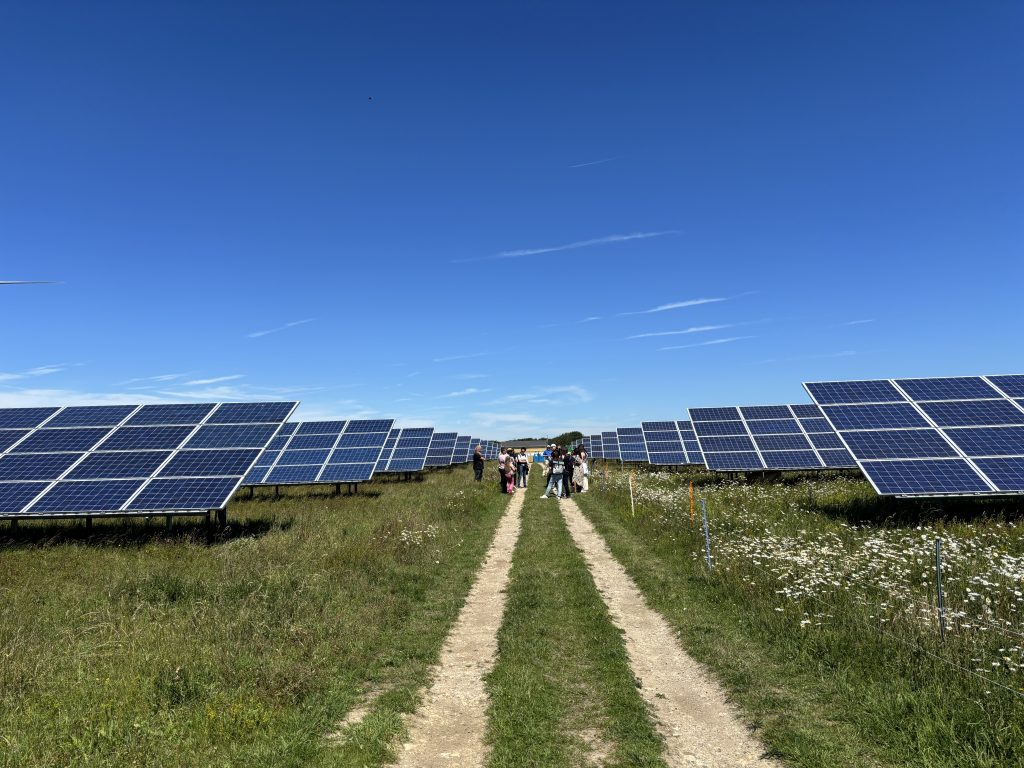
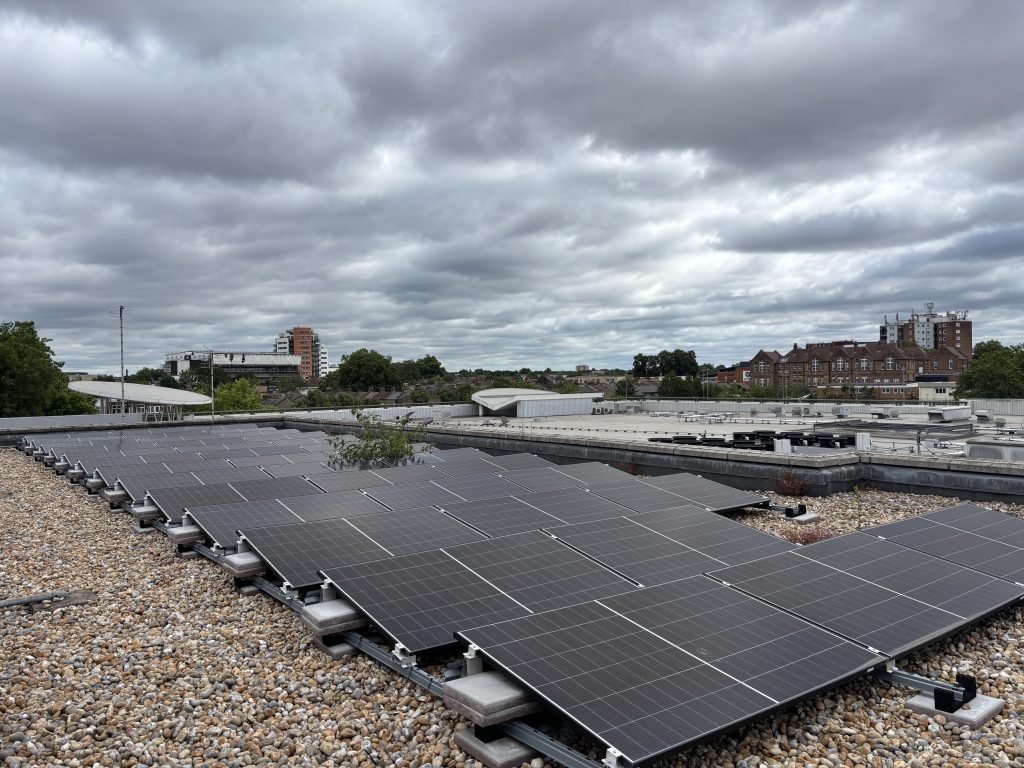
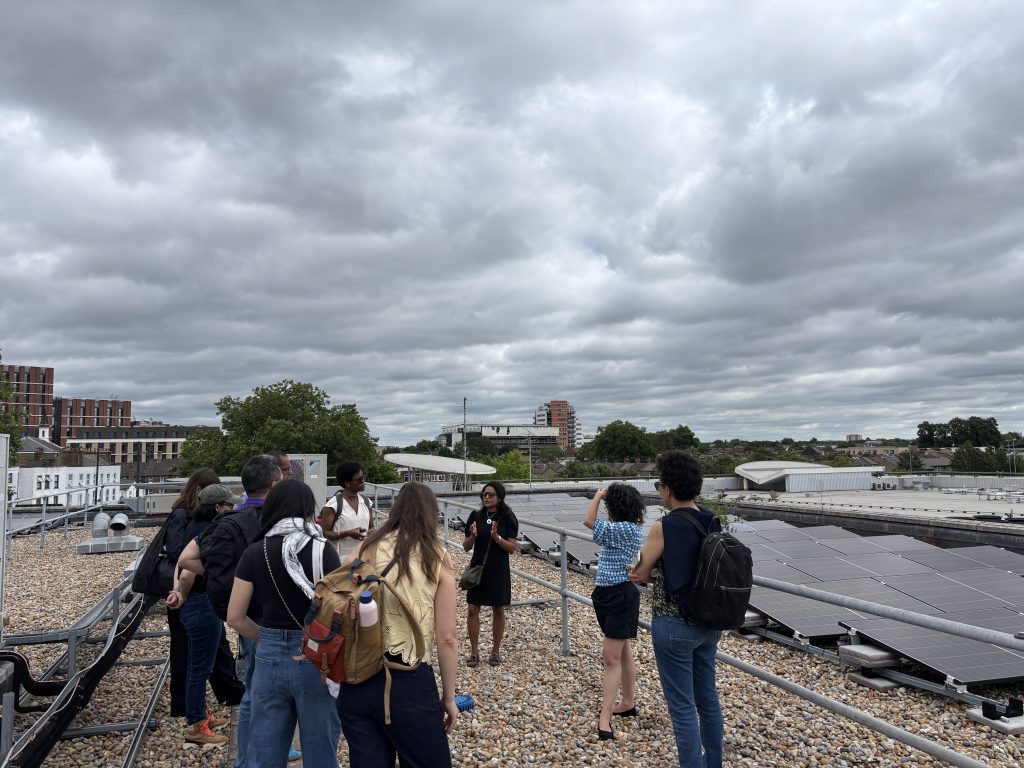
One of the most valuable aspects of the exchange was the opportunity to explore these themes from different regional perspectives – especially because community energy rarely follows a single blueprint. While the principles may be similar, their application depends heavily on local realities.
In Mexico, initiatives are often closely linked to land, indigenous communities and local economic activity. Across other ReNew2030 partner contexts, including Brazil and China, questions of participation, decision-making and local benefit-sharing are shaped by different political and economic realities. In Indonesia, community energy extends beyond ownership models to encompass community empowerment, public engagement and trust-building, a perspective reflected in the work of the Tara Climate Foundation.
The exchange reinforced that successful models cannot simply be copied from one place to another. What can be shared are the lessons behind them. Understanding how enabling policies developed, how financing barriers were addressed, how trust was built and how local participation was strengthened can help partners think through similar questions in entirely different settings.
“The key question is who benefits, and how this connects to existing economic activity—whether that’s fisheries, agriculture or small businesses.” — Iniciativa Climática de México
While community energy looks different across regions, the exchange showed that many of the underlying questions are shared: how to build trust, unlock early support, strengthen local participation, and connect renewable energy with wider social and economic value.
“The European experience shows what is possible when the right policy and financial conditions are in place. But it also highlights the gap that exists in other regions—and where strategic philanthropy can play a catalytic role.” – European Climate Foundation
The value of the exchange was not in identifying a model to replicate, but in generating practical insights that can inform strategies, philanthropic investments and programme design. Experiences from the UK offered perspectives relevant to discussions in Latin America, Africa and Asia, while insights from those regions help test assumptions, and broaden understanding of what enables community energy to succeed in practice.
Ultimately, the exchange highlighted the importance of understanding not only what works, but why it works — and how those lessons can be carried beyond a single project.