How solar and wind are reshaping the global energy system—and what’s still needed to leave fossil fuels behind
The energy system is growing fast, and meeting that growth while replacing fossil-based power requires a rapid, coordinated shift in how the world produces and delivers electricity. This is not a long-term ambition; it is an immediate necessity.
ReNew2030 exists to help speed up this shift by supporting renewables deployment where it matters most: in places where demand is growing quickly. By removing systemic barriers, mobilising coordinated action with partners, we aim to help more communities benefit from the energy transition.
Over the past two decades, renewable energy has advanced rapidly, led by solar and wind. These technologies sit at the heart of ReNew2030’s mission, but key barriers remain and faster action is needed. The data below shows where progress is happening and what it will take to achieve our tripling goal.
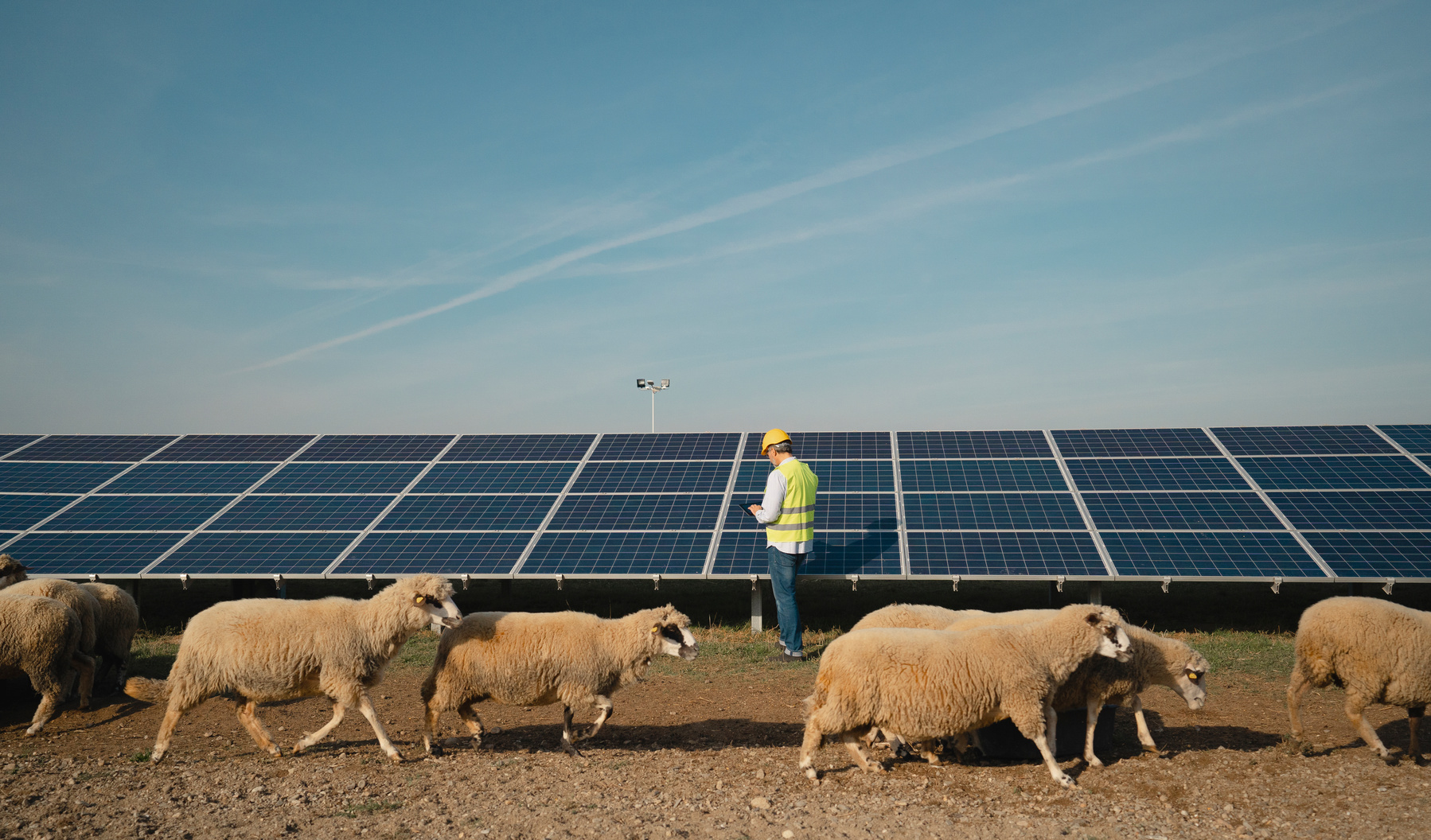
In 2025, renewables supplied more than one-third of global electricity, overtaking coal as the largest source of electricity. This milestone was driven largely by wind and solar, which have led new generation growth in recent years. Solar, in particular, grew by 636 TWh (+30%), its largest increase on record. Despite economic and geopolitical uncertainty, momentum continued, pushing renewable generation to record levels and showing that the energy transition is a lasting structural shift rather than a temporary trend.
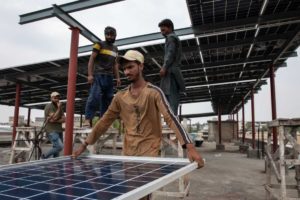
Over the past decade, solar and wind energy have accounted for a growing share of new power projects, increasingly shaping how electricity infrastructure is built across many markets. Solar PV has been at the centre of this expansion, moving from a small base to become the largest source of new power capacity additions globally, driven by sharp cost declines, scalable deployment and supportive policy frameworks. Wind capacity has also continued to expand, strengthening its role in power systems across different regions.
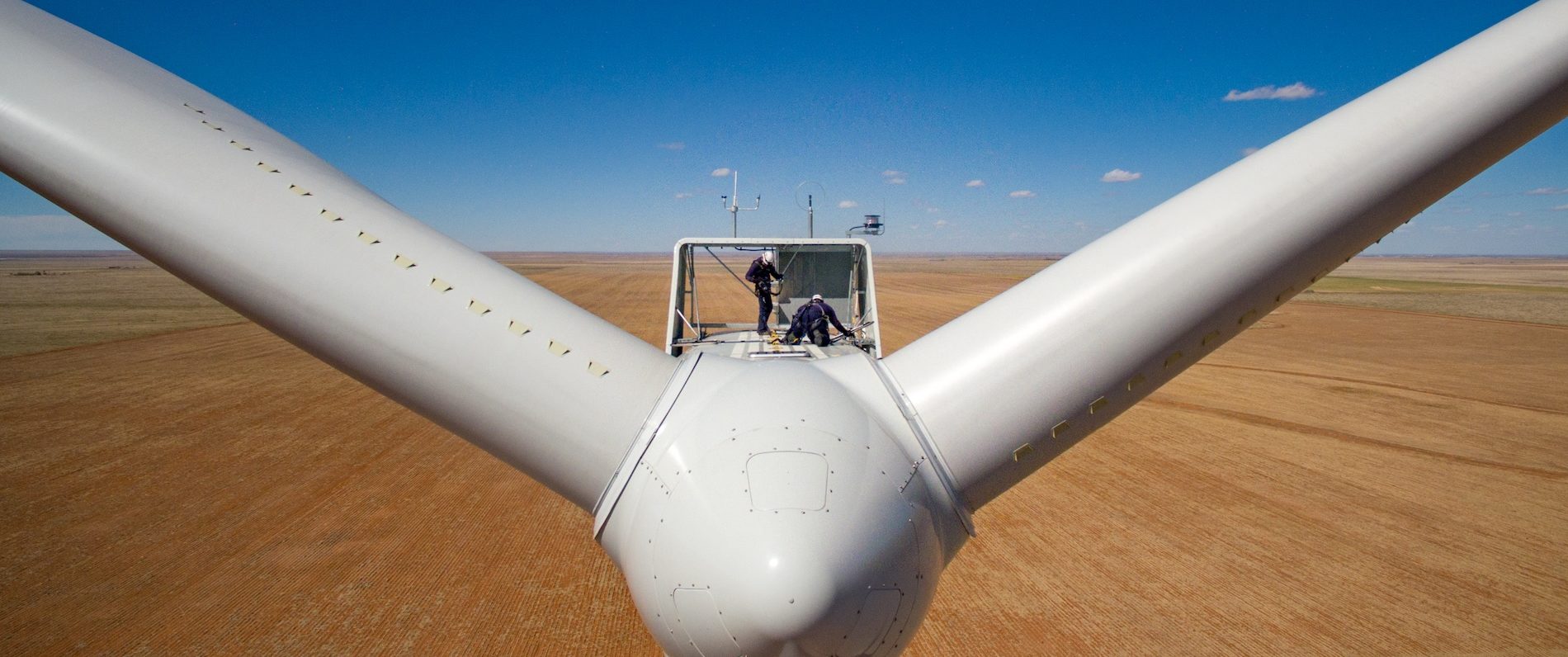
In 2025, capacity additions reached record levels, with 647 GW of solar PV and around 167 GW of wind installed worldwide. Most new wind capacity continues to come from onshore projects, while offshore wind is expanding steadily, adding scale, diversity to global wind deployment.
The story about the world’s energy systems is not just about how much demand is growing — it is about where. Today, most new electricity demand comes from emerging and developing economies, but the drivers vary by country – shaped by economic activity, access to electricity, and how people use energy. Many of these countries are also moving fastest on solar deployment and electrification.
Looking ahead, around 80% of energy demand growth to the mid-2030s is expected in solar-rich regions — areas with fast-rising demand, high emissions intensity and significant energy access needs, directly aligned with where ReNew2030 deploys its efforts. The geography of demand is shifting, and so is the opportunity to accelerate a cleaner, more equitable energy future.
At COP28, countries committed to tripling global renewable energy capacity by 2030, establishing a key benchmark for climate action. While renewable deployment has accelerated in recent years, current progress is still insufficient to meet this goal. Reaching around 11,000 GW of installed renewable capacity by the end of the decade will require a much faster build-out and a major increase in power sector investment – around $2 trillion per year on average by 2030. Scaling investment at this level is not only critical for reducing emissions but also represents a significant economic opportunity.
Hear from leading voices from the energy ecosystem about what it will take to power a cleaner, more resilient future.